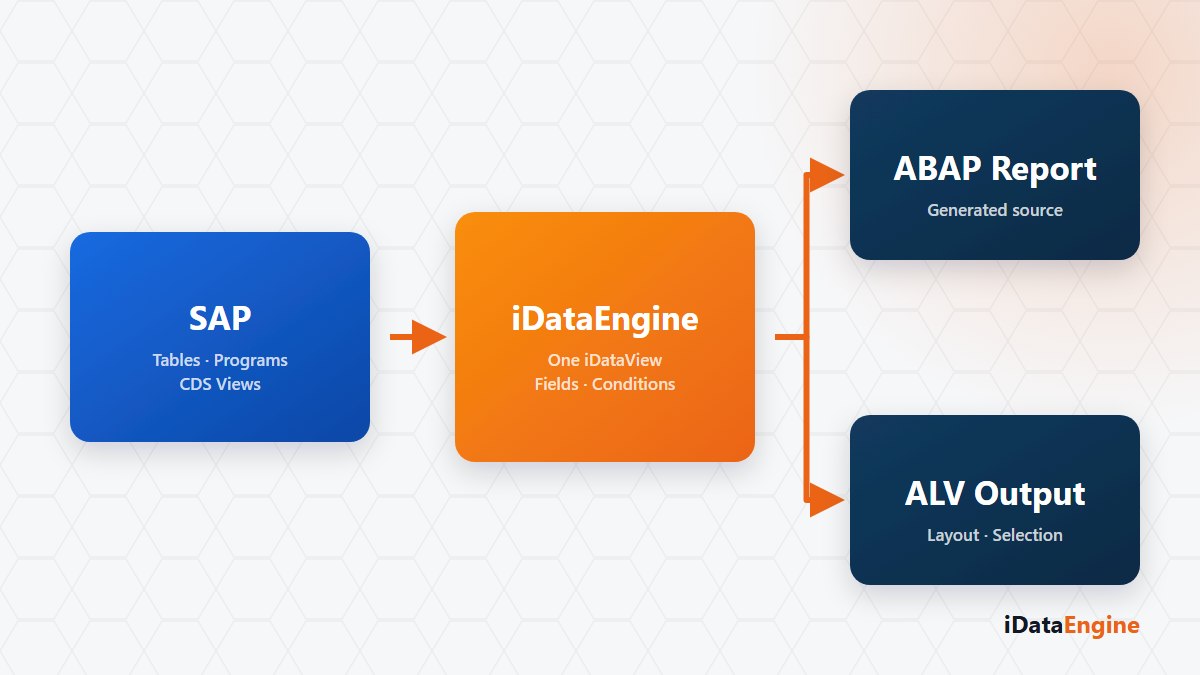
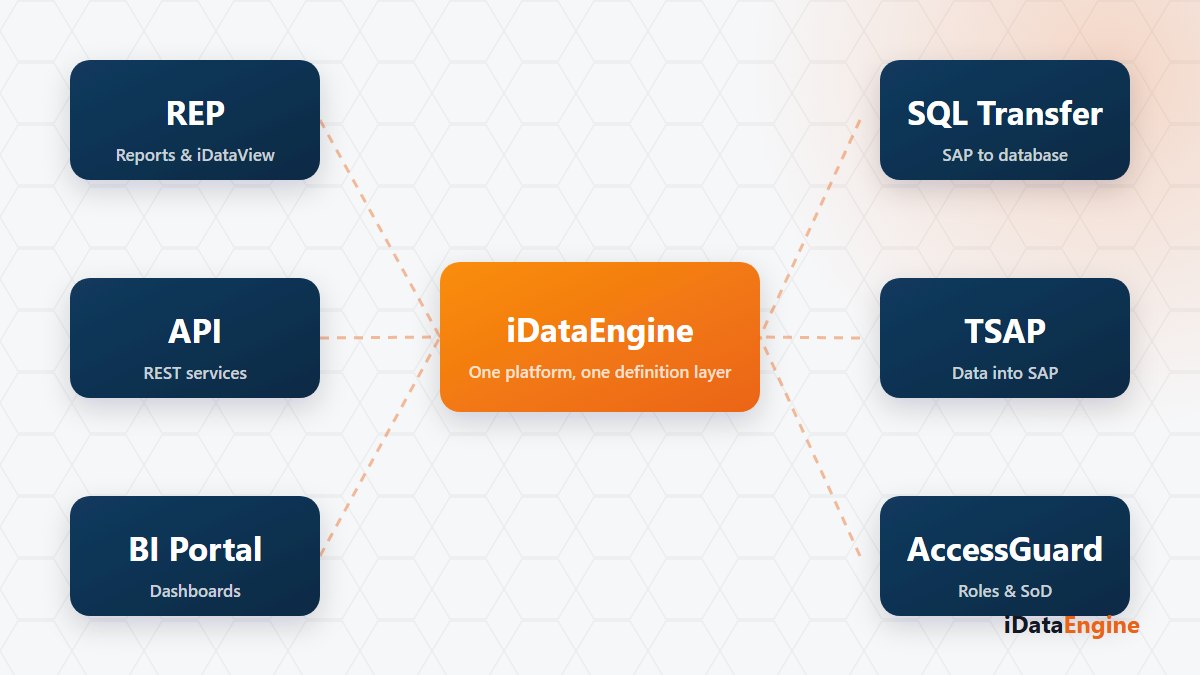
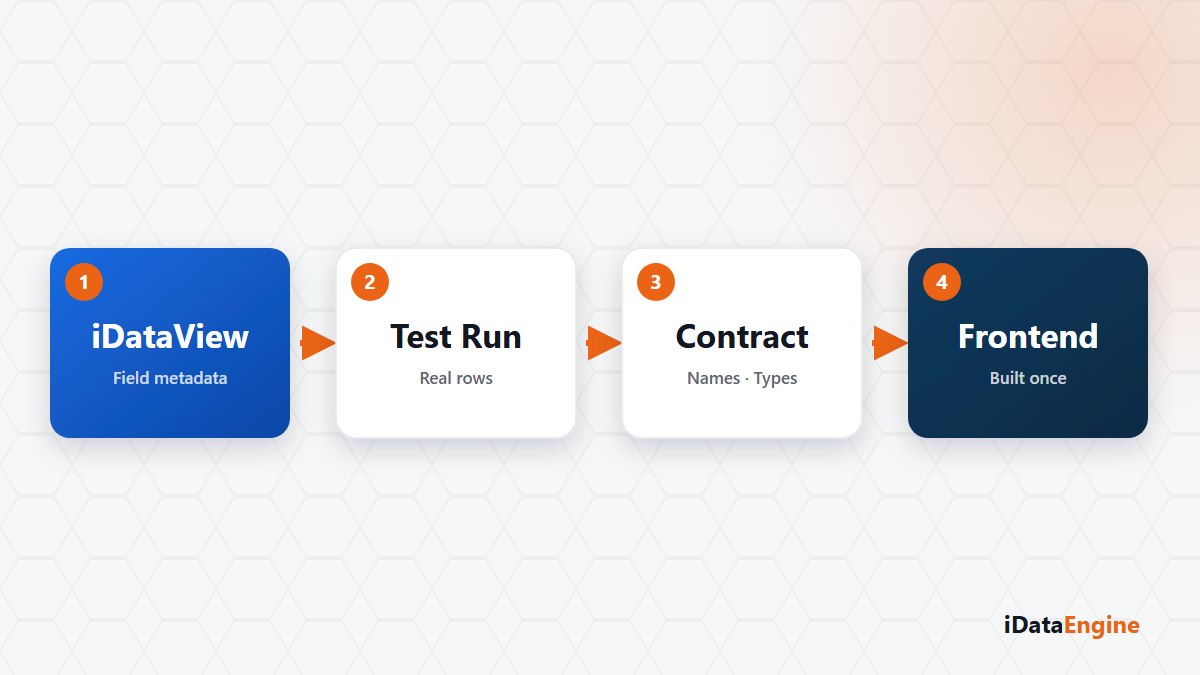
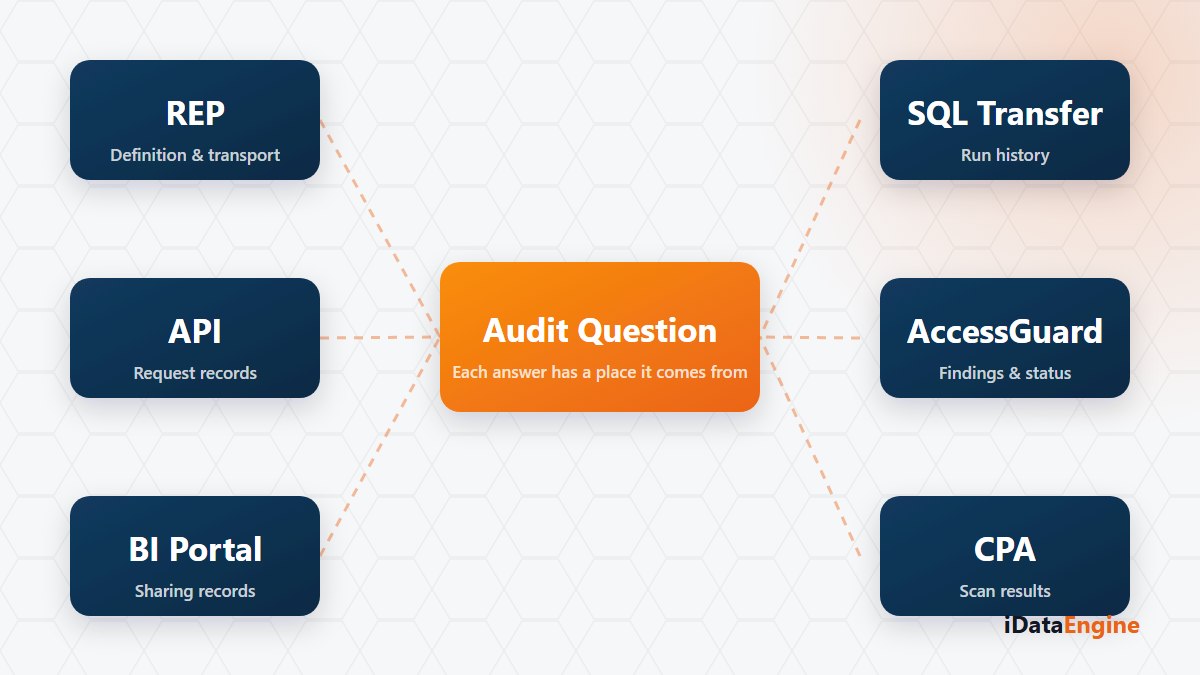
REP combines source objects, fields, joins, conditions, the selection screen and ALV output in one iDataView definition, then generates ABAP source code from that definition.
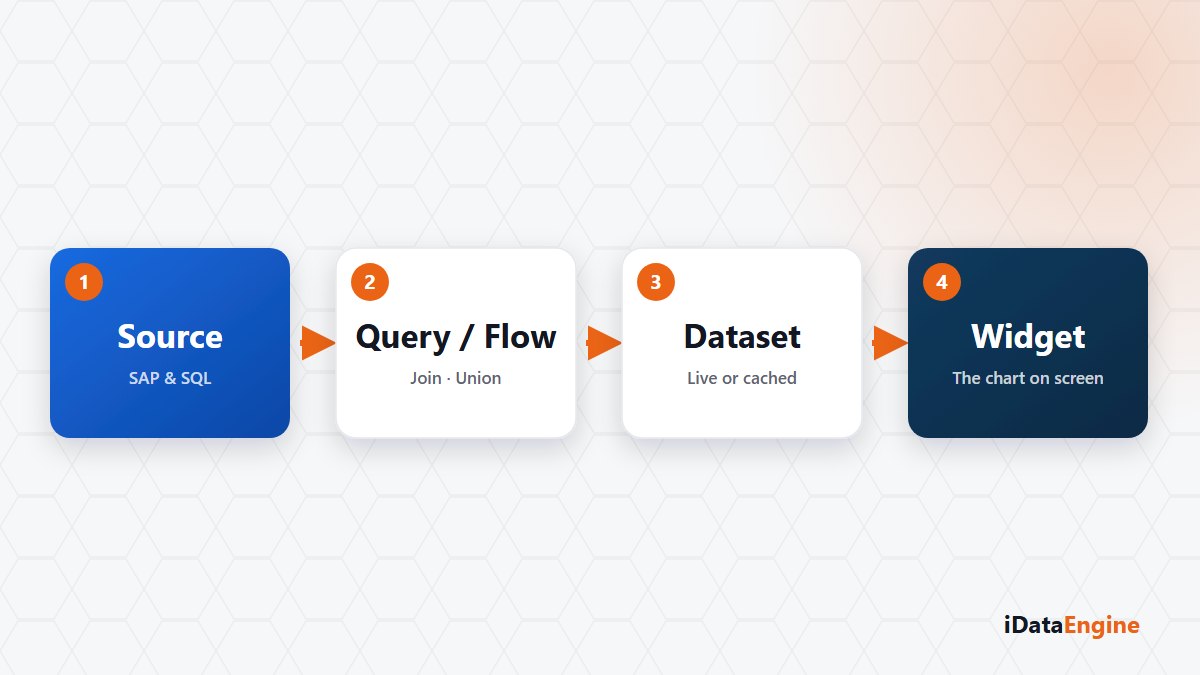
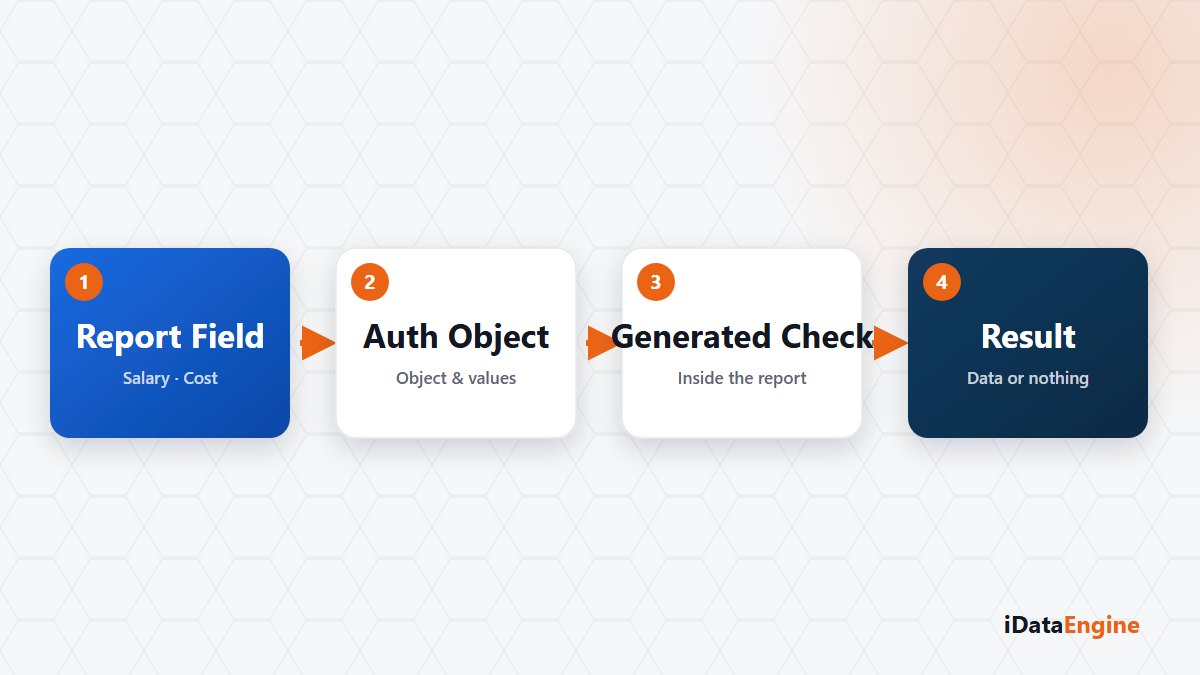
An empty chart rarely starts in a chart setting. Finding the broken link in the chain from source to authorization beats another round of trial and error.
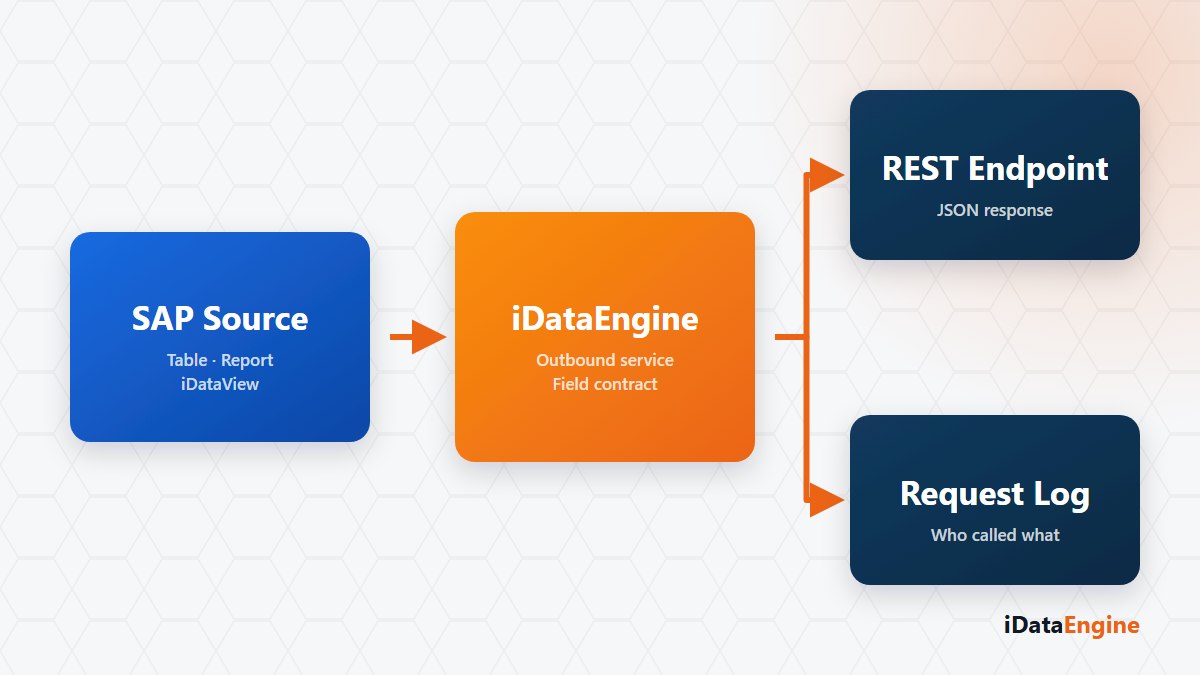
An outbound service definition produces an address in minutes. The rest of the work is deciding which fields, which parameters and which limits sit behind it.
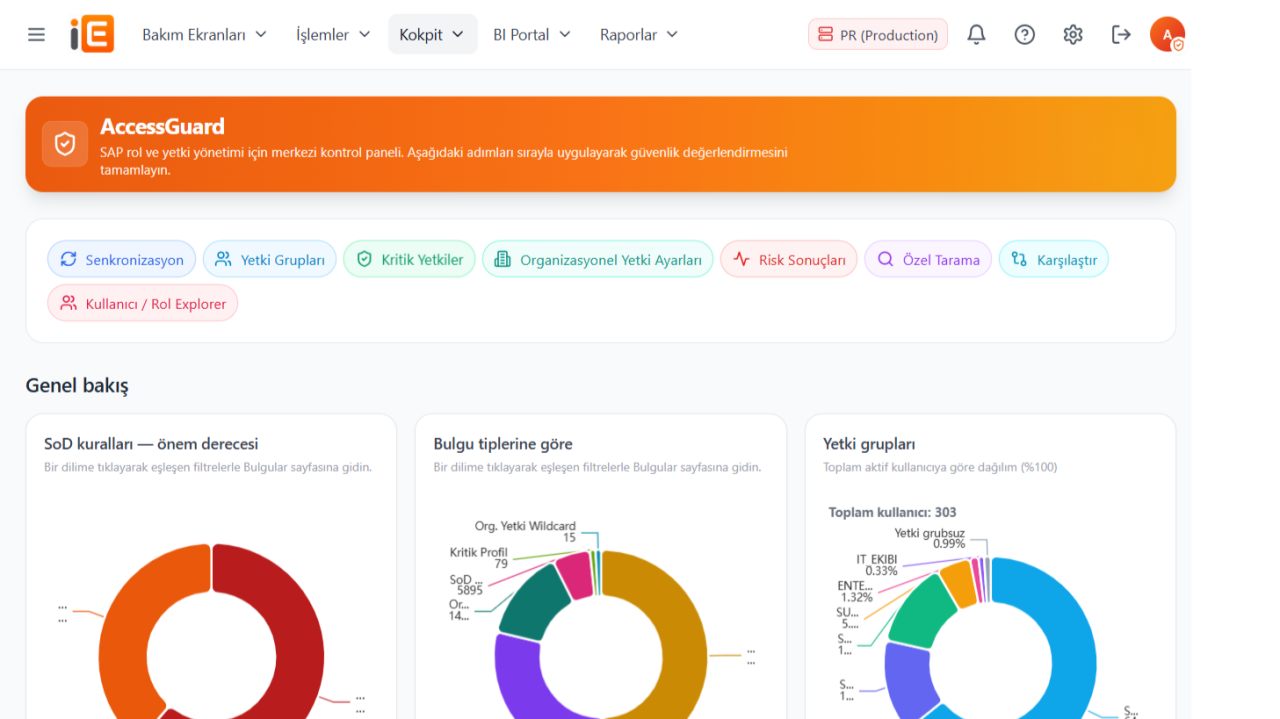
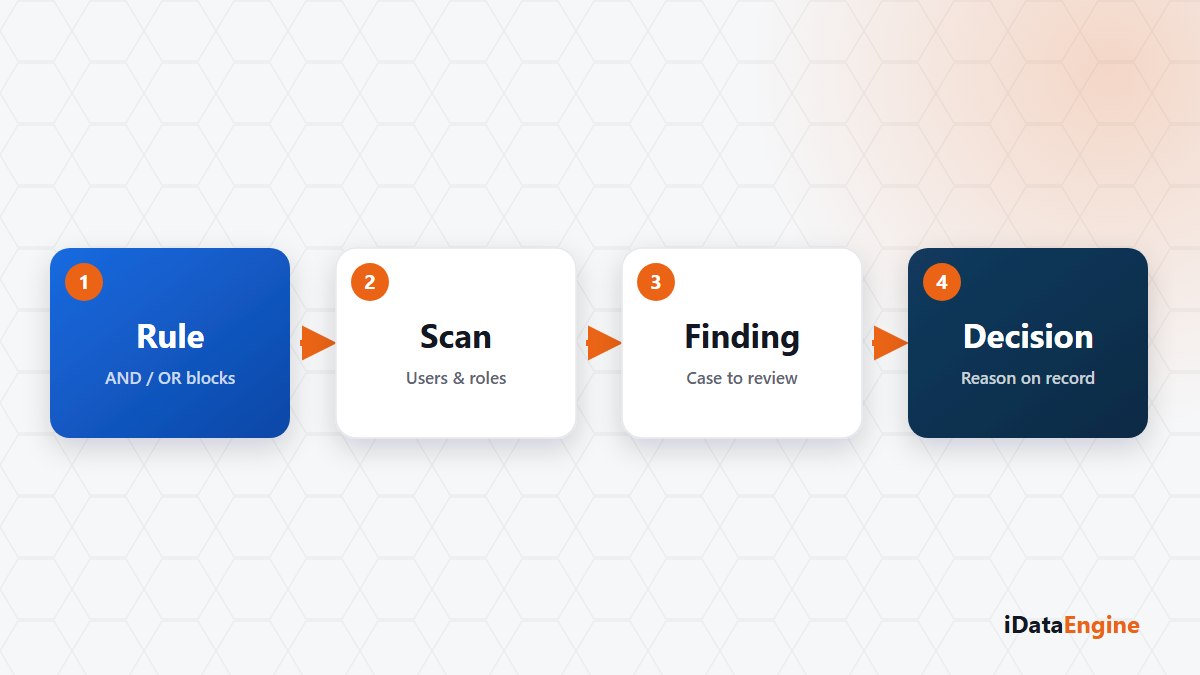
AccessGuard evaluates synchronised SAP authorization data against defined SoD rules and tracks finding status, reasoning, compensating controls and risk ownership.
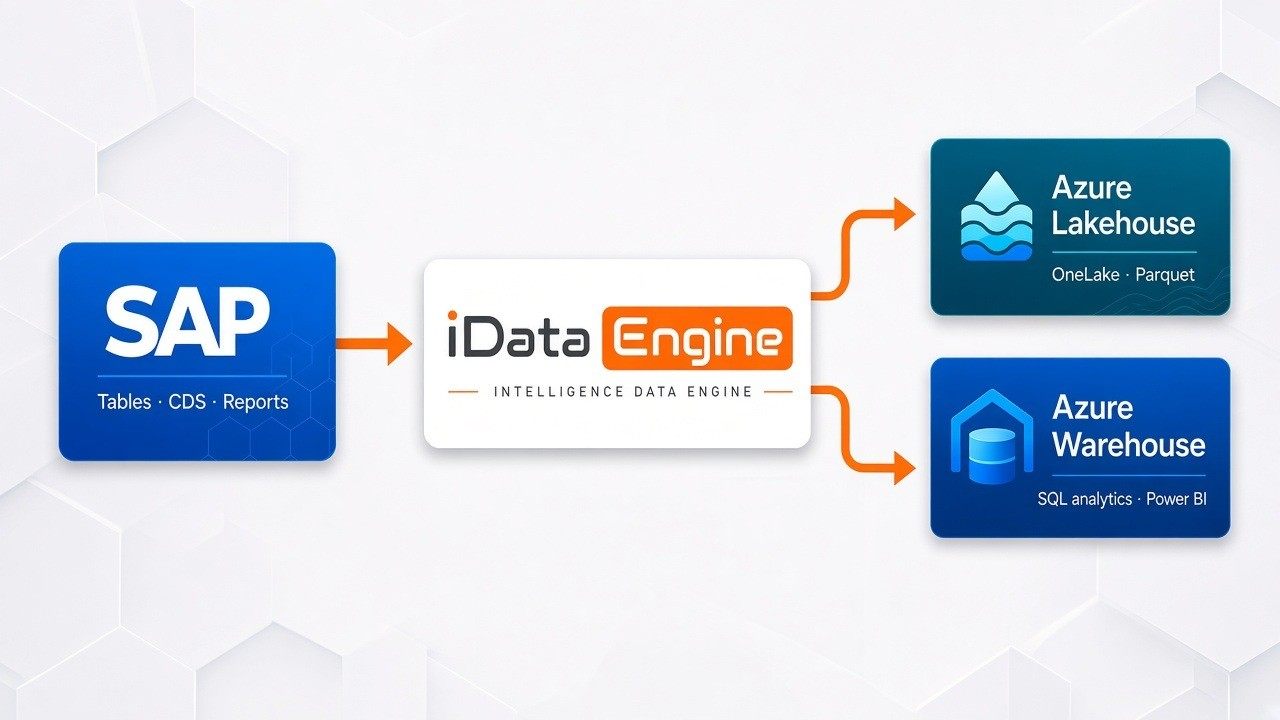
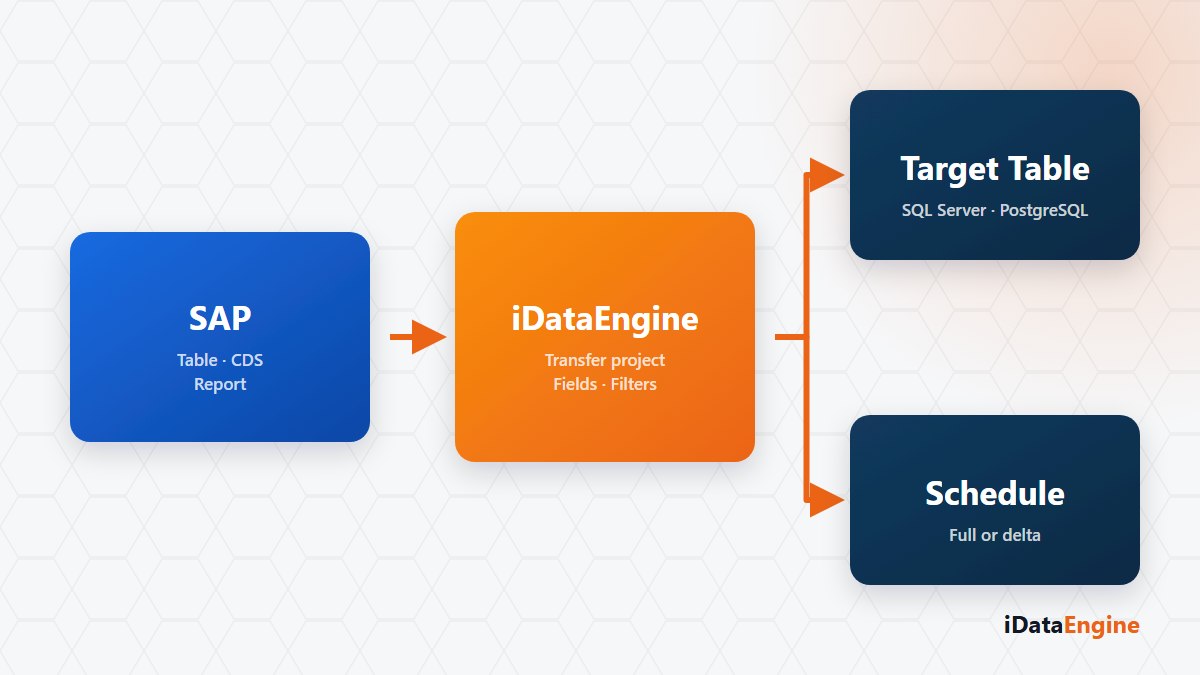
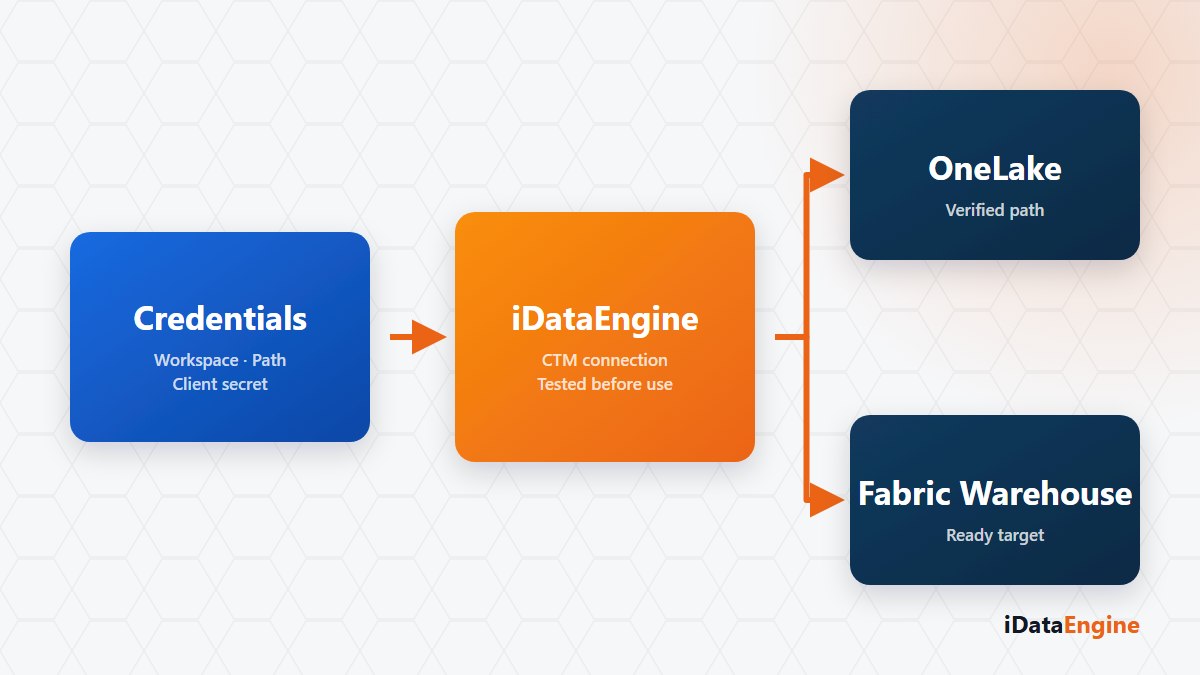
SQL Transfer connects SAP or iDataView sources to PostgreSQL, Microsoft SQL Server or Microsoft Fabric targets through field mappings and load settings.
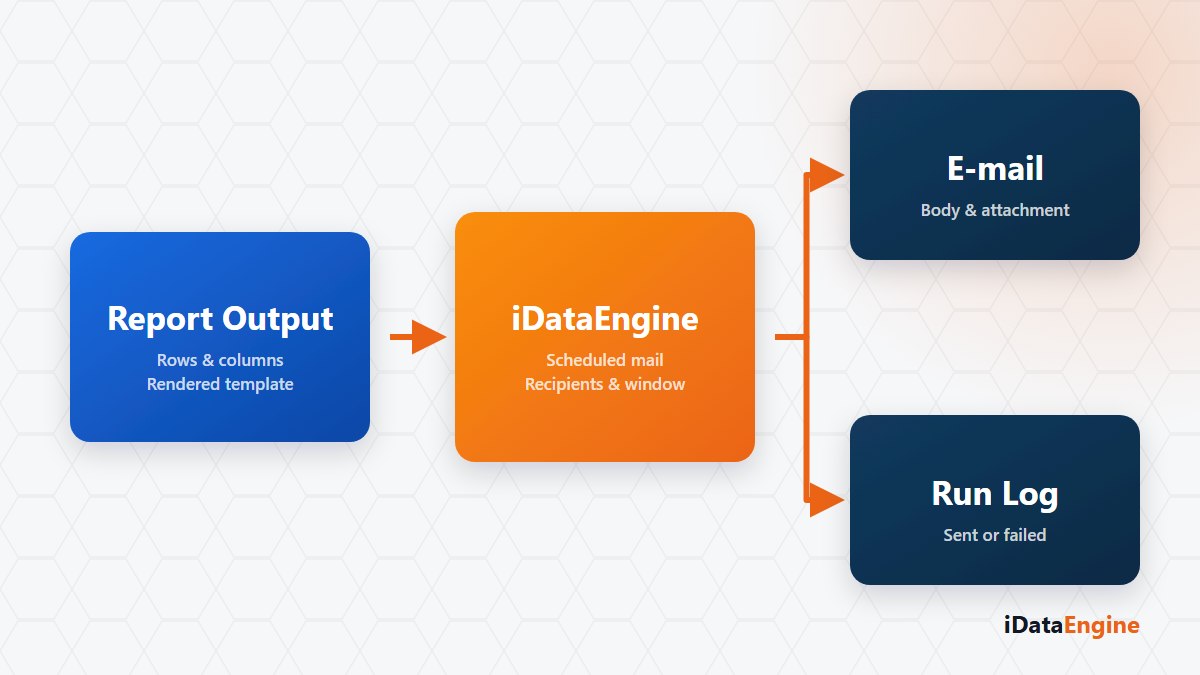
A small dispatch task quietly turns into a person-dependent process. Writing down the template, the recipient group and the trigger makes it something you can hand over.
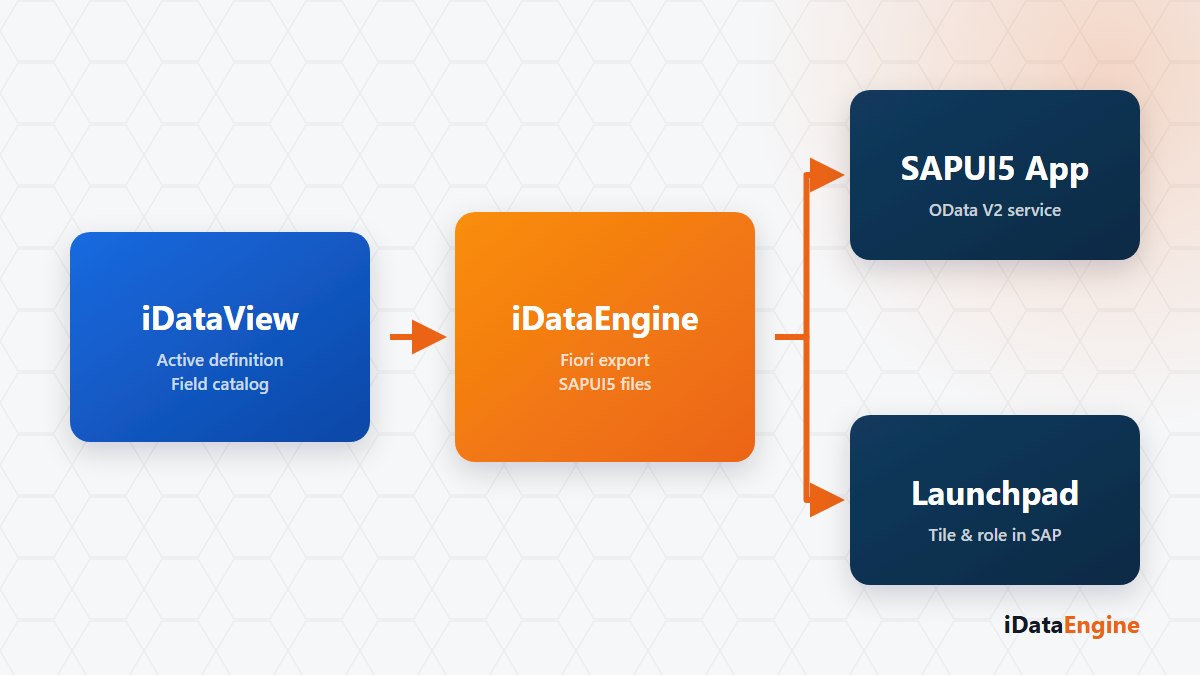
An active iDataView can generate read-oriented SAPUI5 application files and deploy them to an ABAP system through a transport request; Launchpad steps remain on the SAP side.
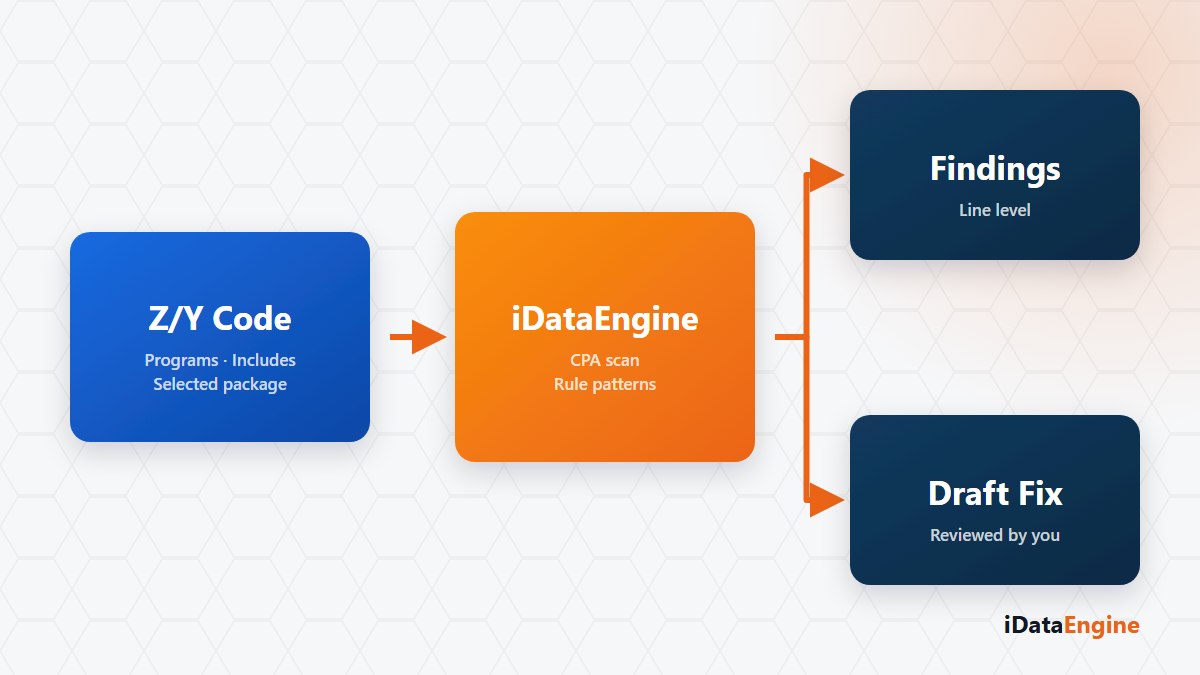
A static scan is not a measurement; it is a list of patterns. What makes the list useful is not the number of findings but knowing which pattern sits on which line.
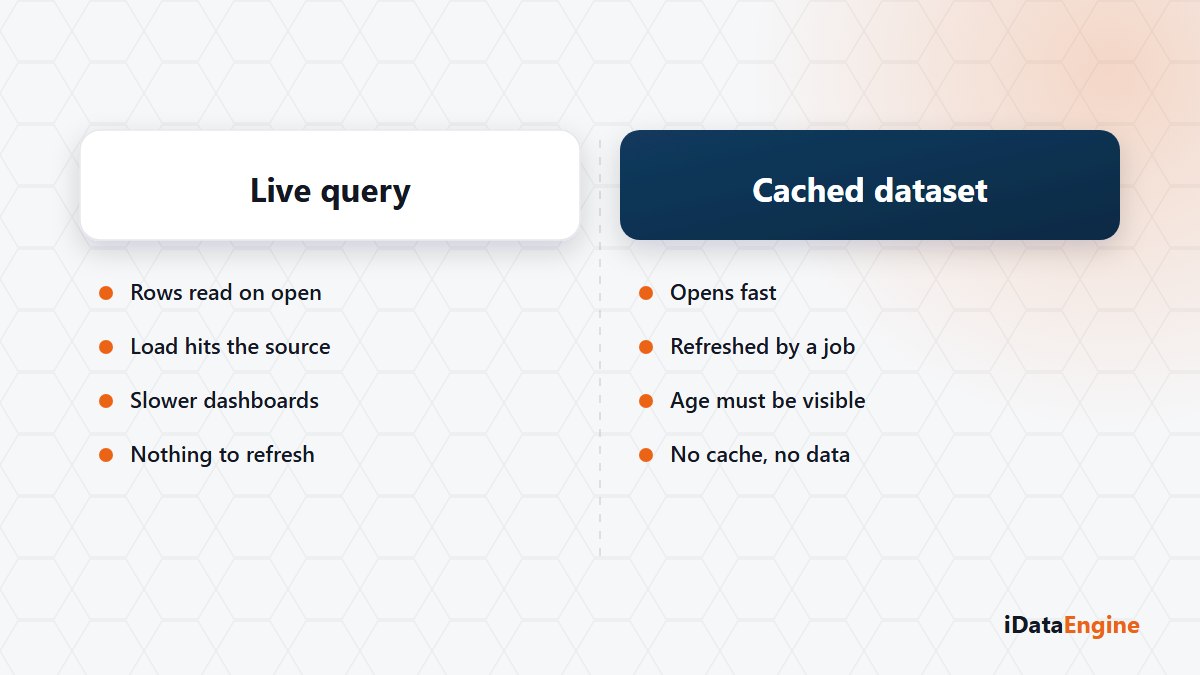
BI Portal widgets read the source directly in LIVE mode and the PostgreSQL cache in OFFLINE mode. The choice depends on freshness, source load and the refresh plan.
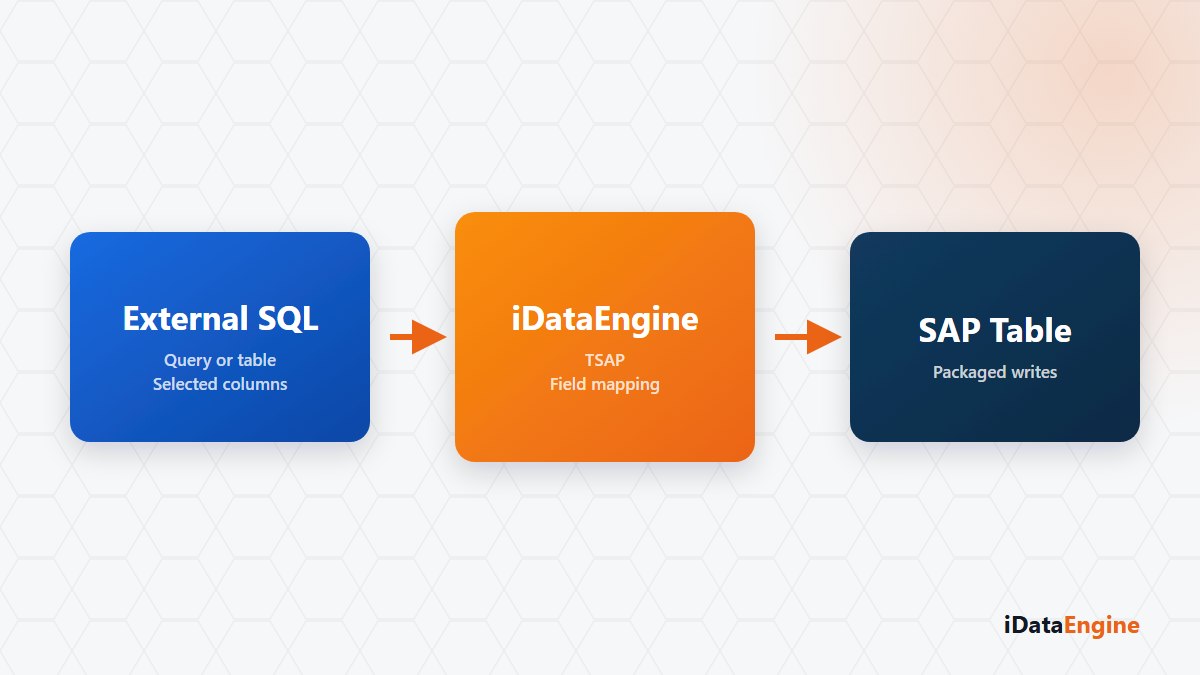
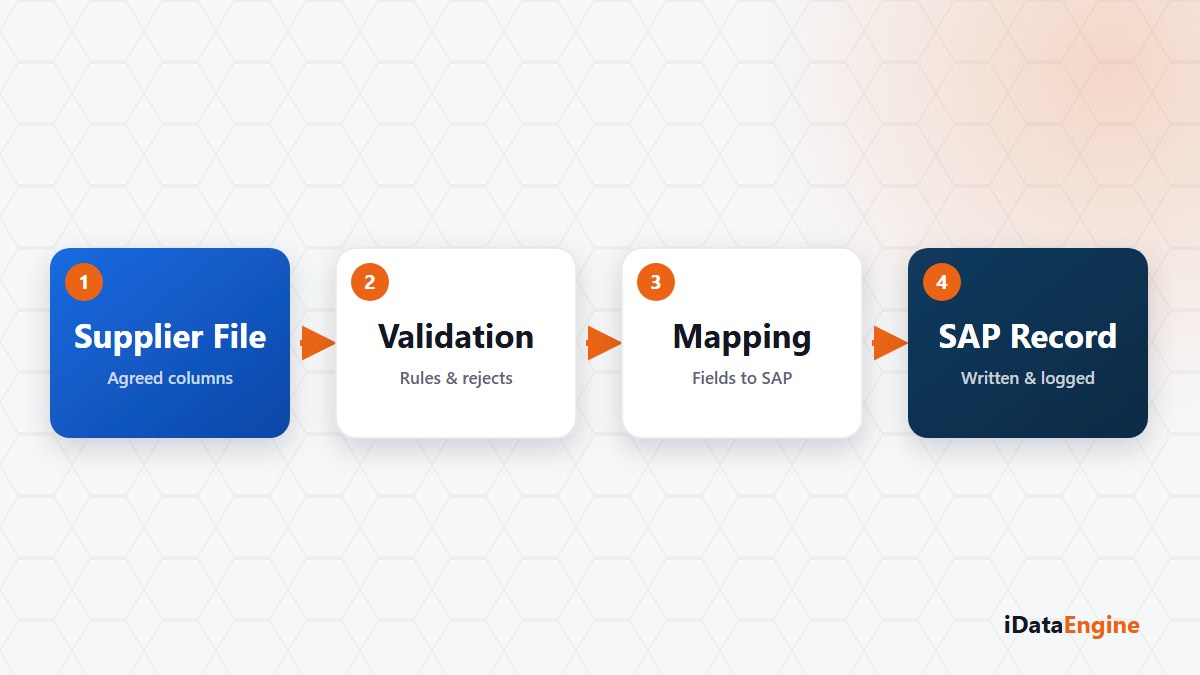
Writing into SAP from an external source is not the mirror image of reading. Mapping simulation, package behaviour and what stays behind after an error belong in the first conversation.
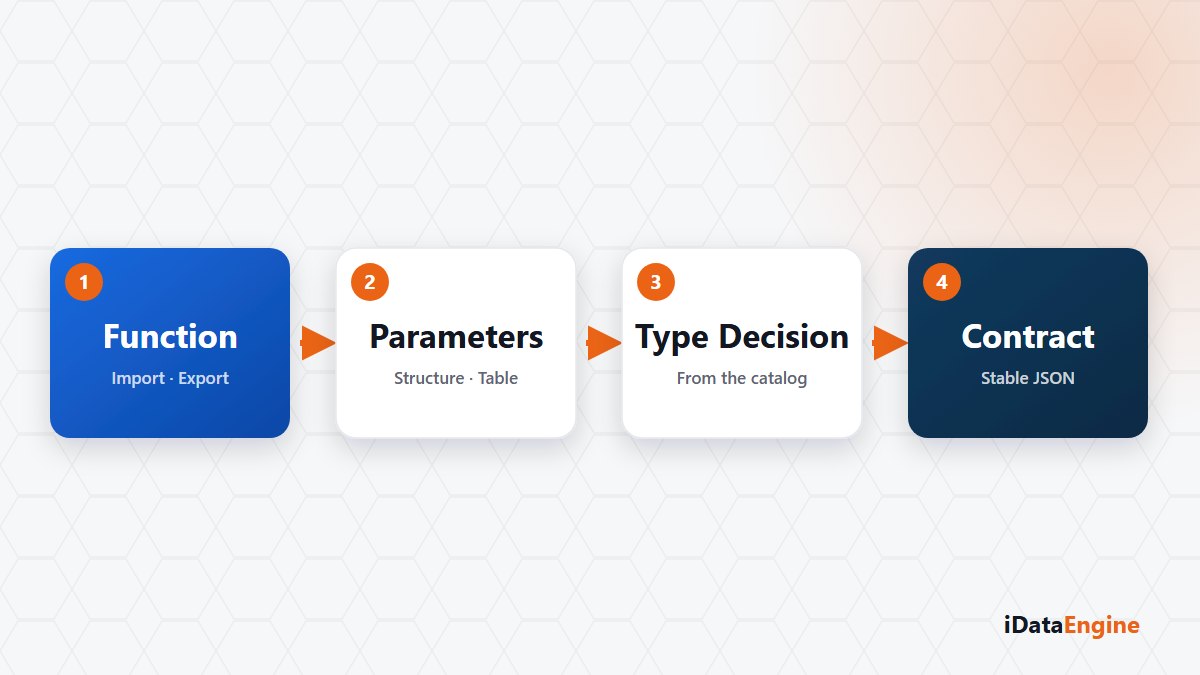
The structure and table parameters of a SAP function do not fit into a flat sample. The type decision has to come from the parameter definition in the catalog.
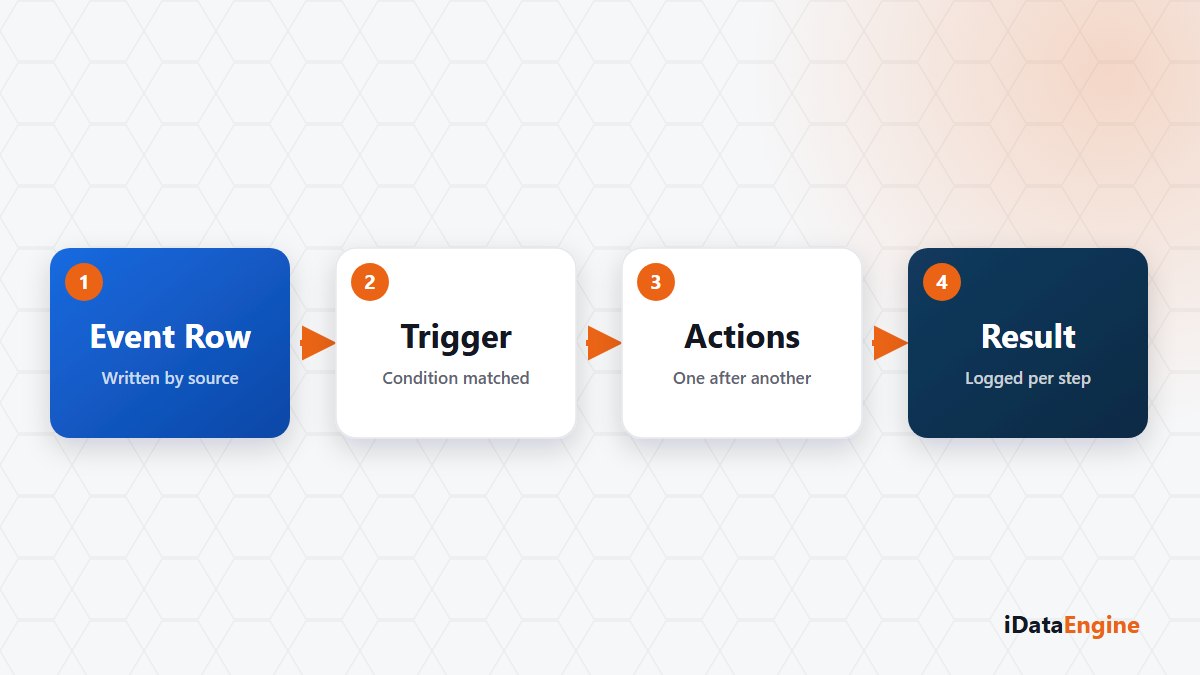
Every new check adds a line to somebody’s morning. An event definition shortens the list by putting the trigger, the condition and the action on the record.
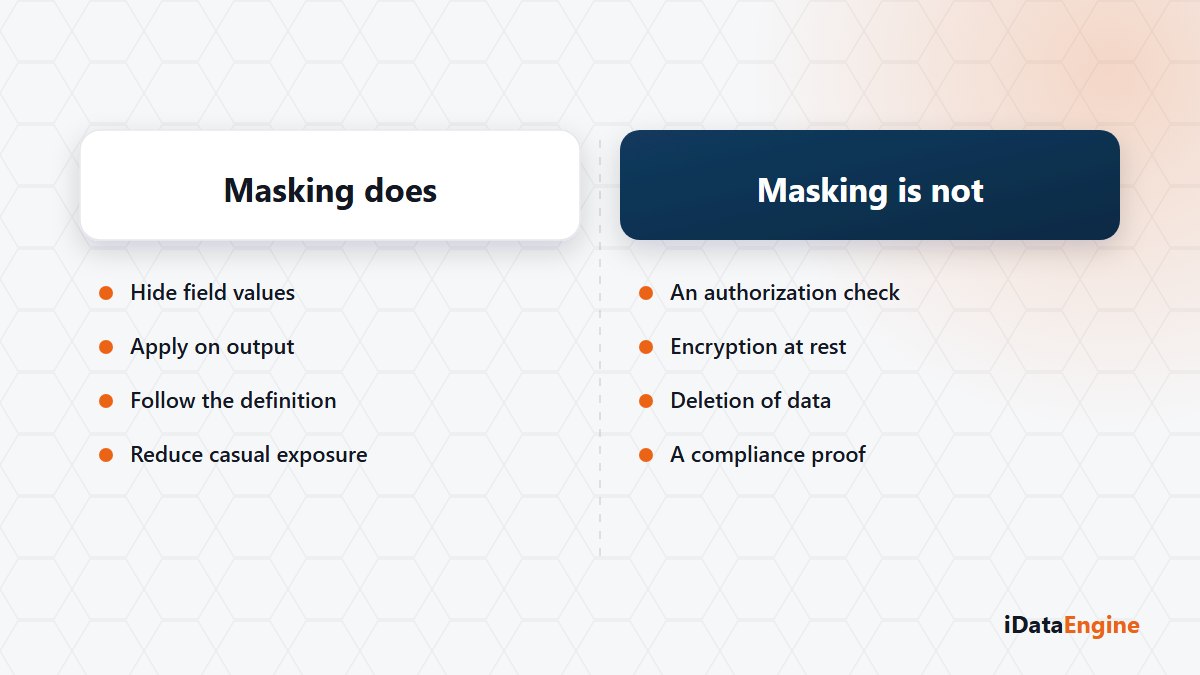
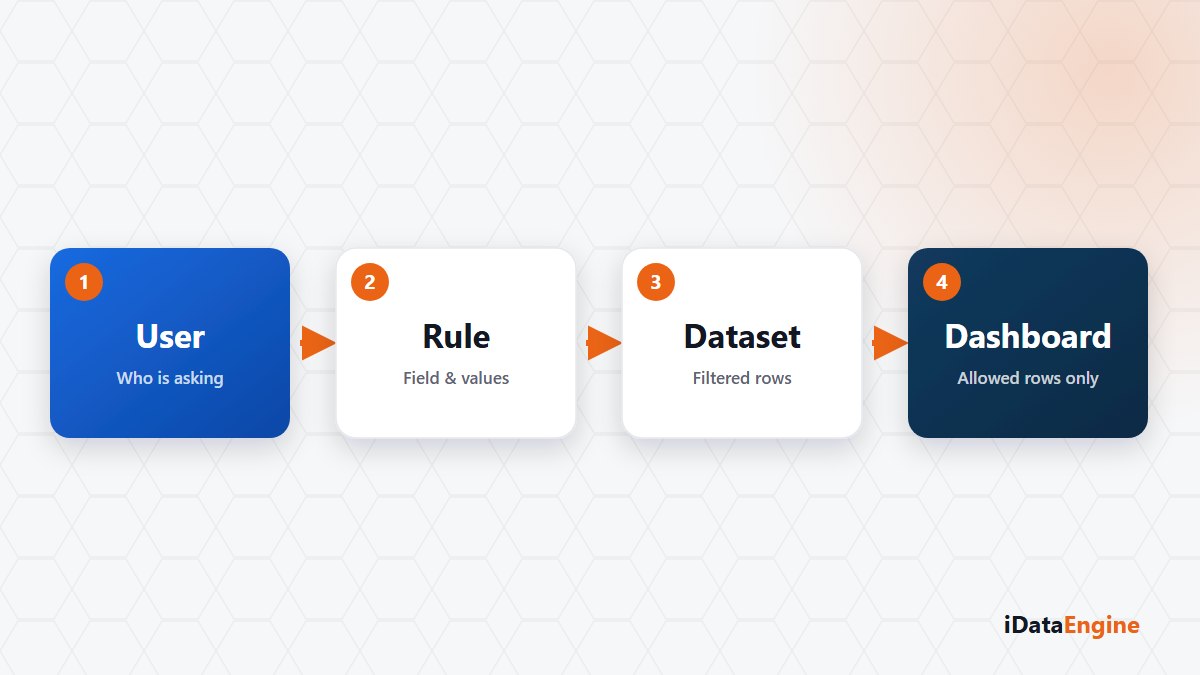
Removing a sensitive column from the output layout does not stop the data from being read. The two routes cost differently, and only one moves the decision into the authorization catalog.
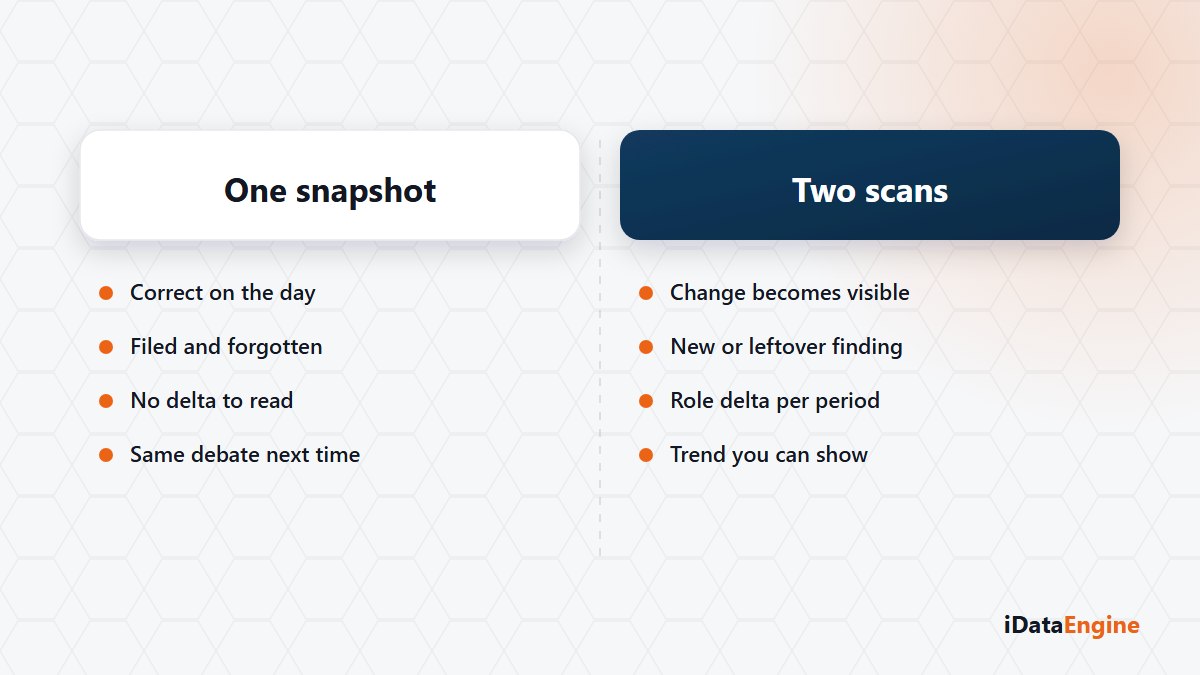
The value of an authorization review is not in one list but in what changed between two scans. The real question is whether a finding is new or left over from last period.
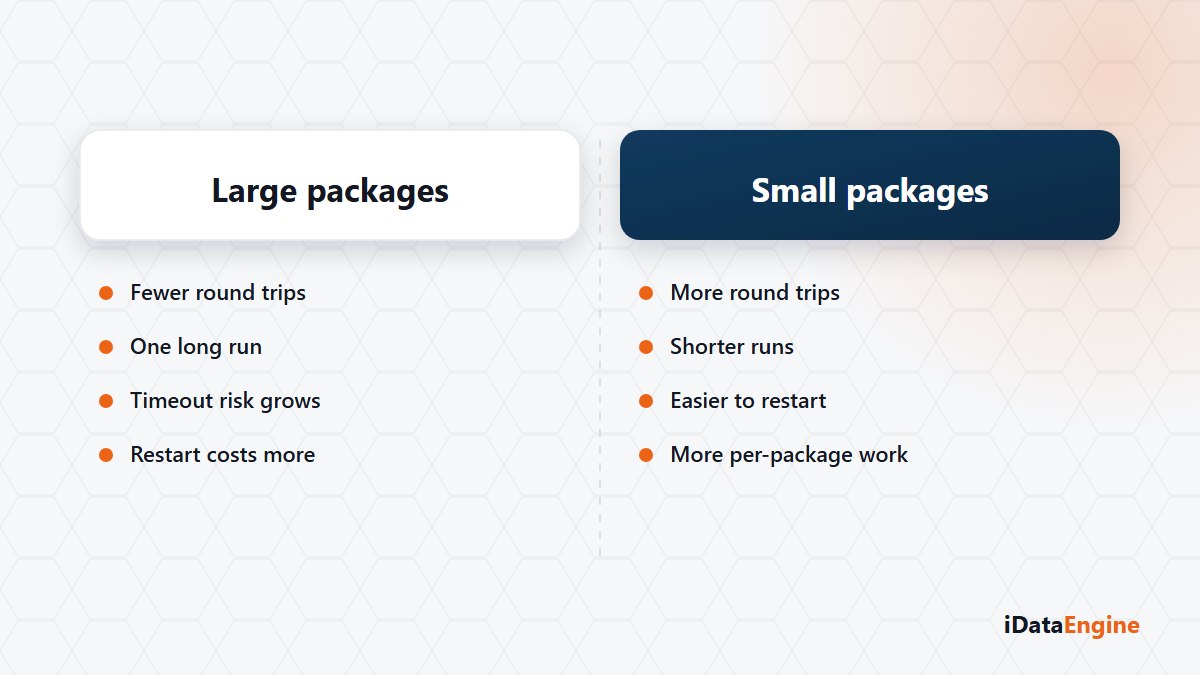
When a transfer runs long, the first reflex is to raise the package size. The more useful criterion is not speed but how much data gets reprocessed when a package fails.
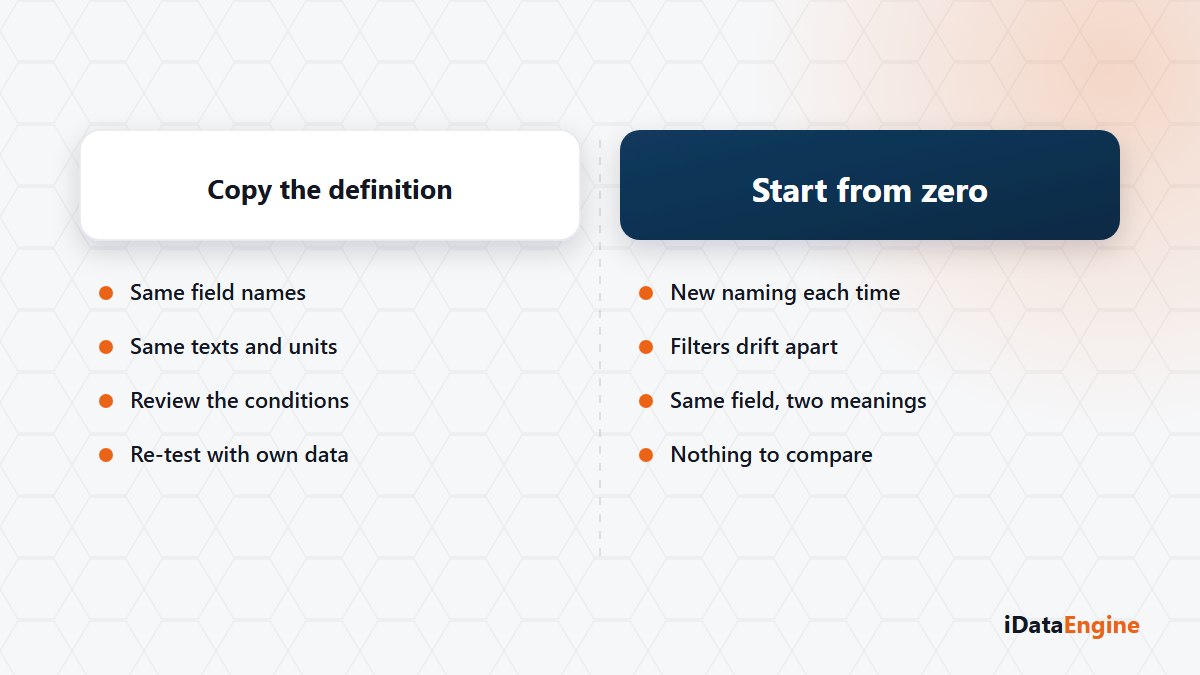
Similar reports drift apart not because teams are careless but because every design starts from a blank page. A shared starting point slows that drift down.
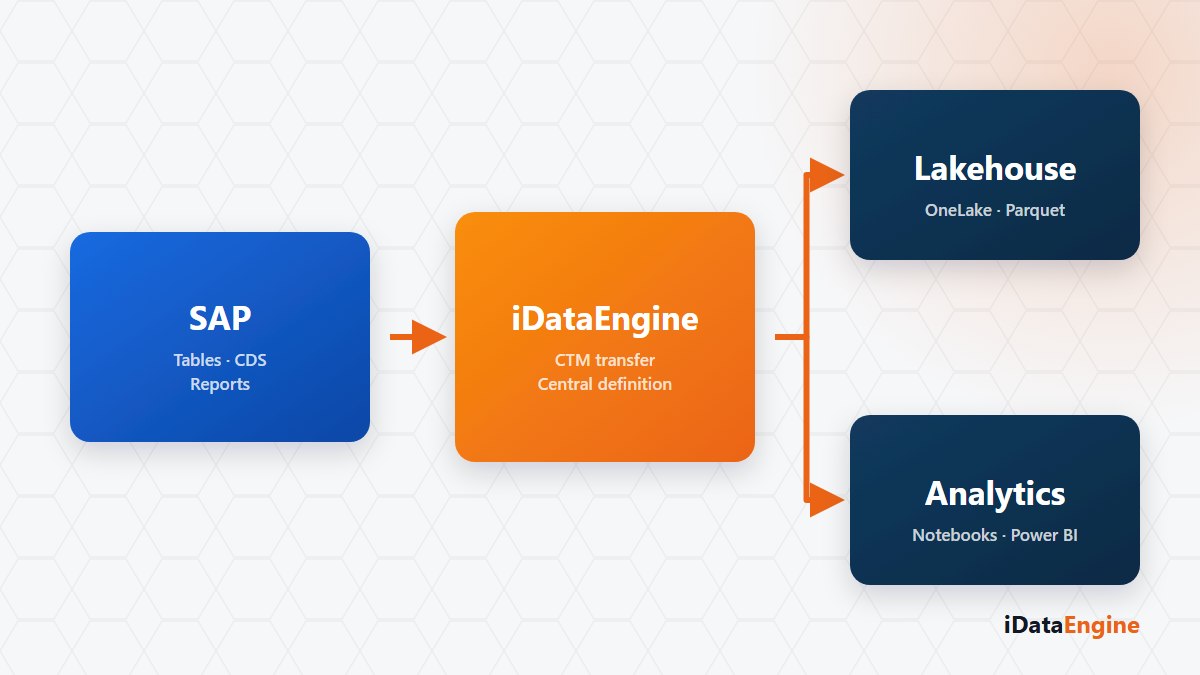
Talk about Fabric as a single service and connection, schema reading and data writing get mixed up. Separating Lakehouse from Warehouse repairs the project plan.
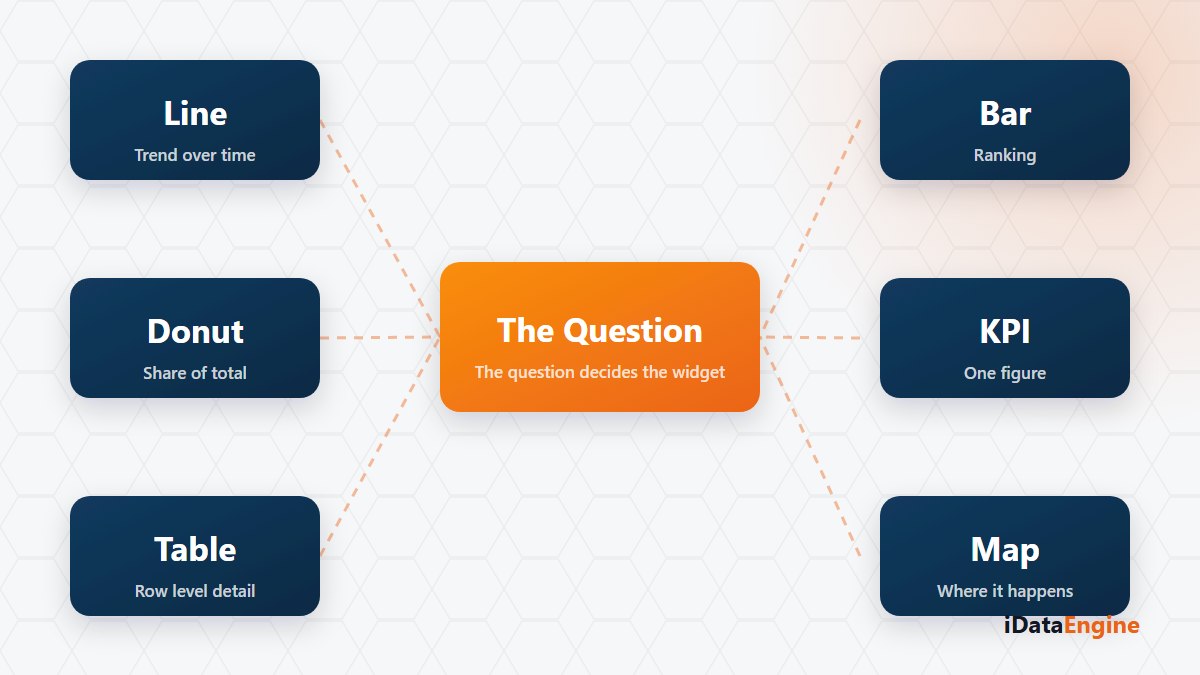
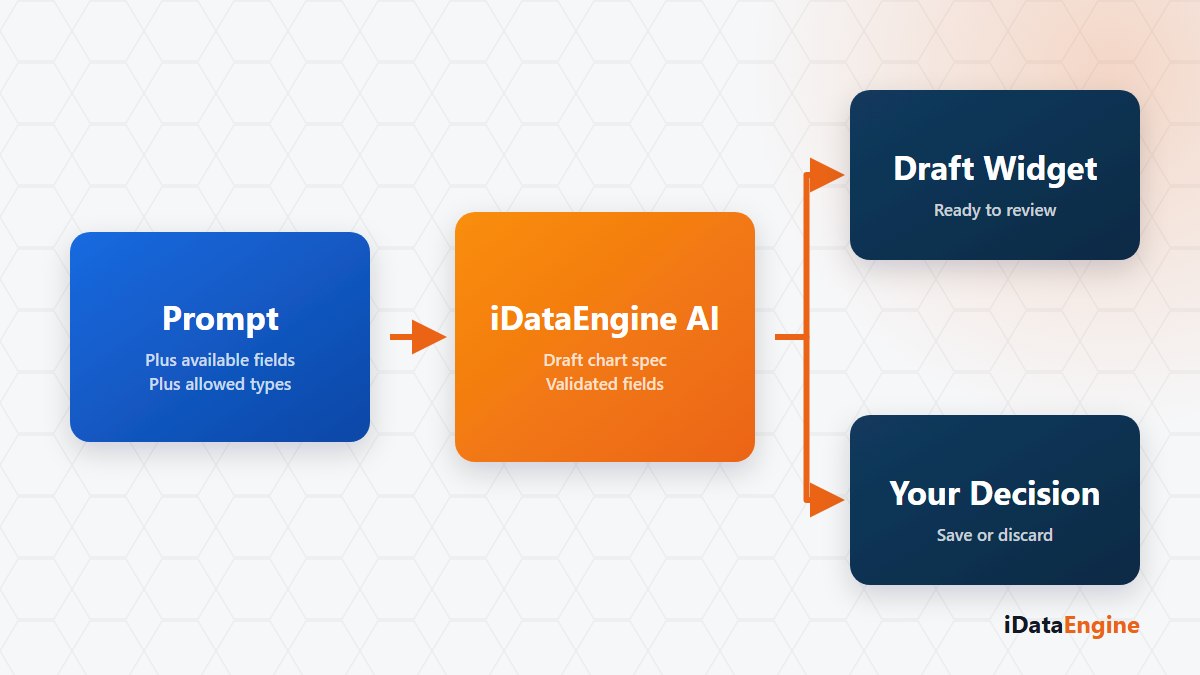
The assistant produces a draft bounded by the existing fields and the permitted chart types. Saving and publishing the dashboard remain the designer’s decision.
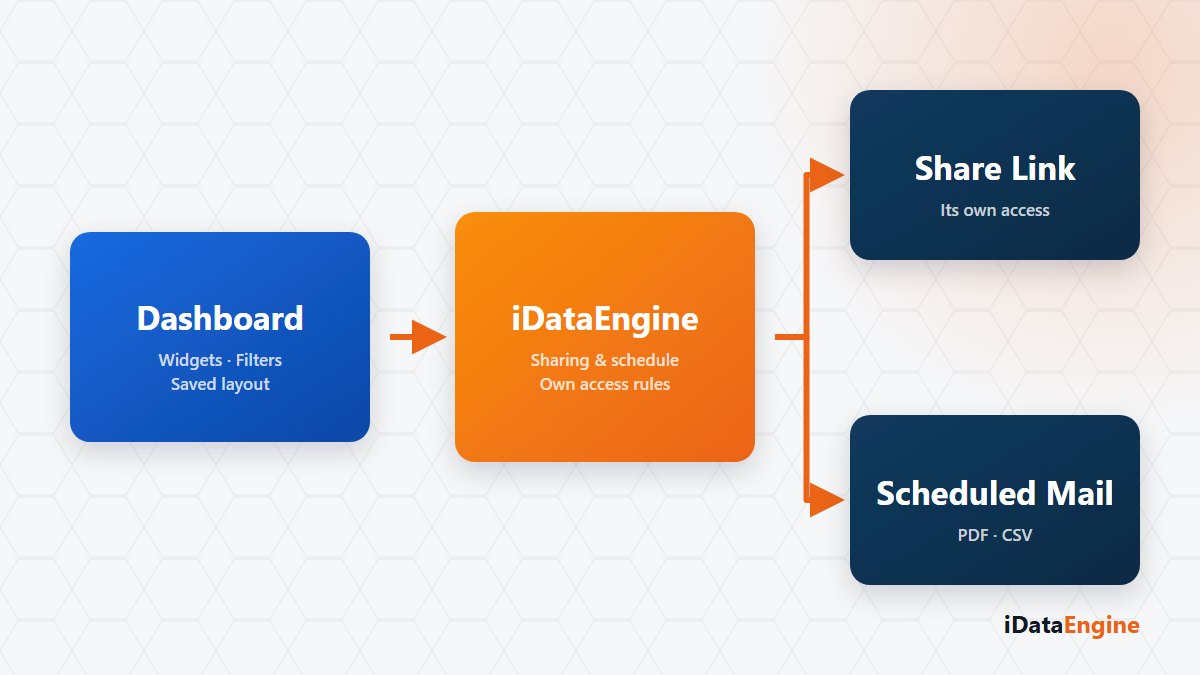
A share link does not run with the sharing user’s identity. Publishing one without knowing that produces either an empty screen or visibility nobody intended.
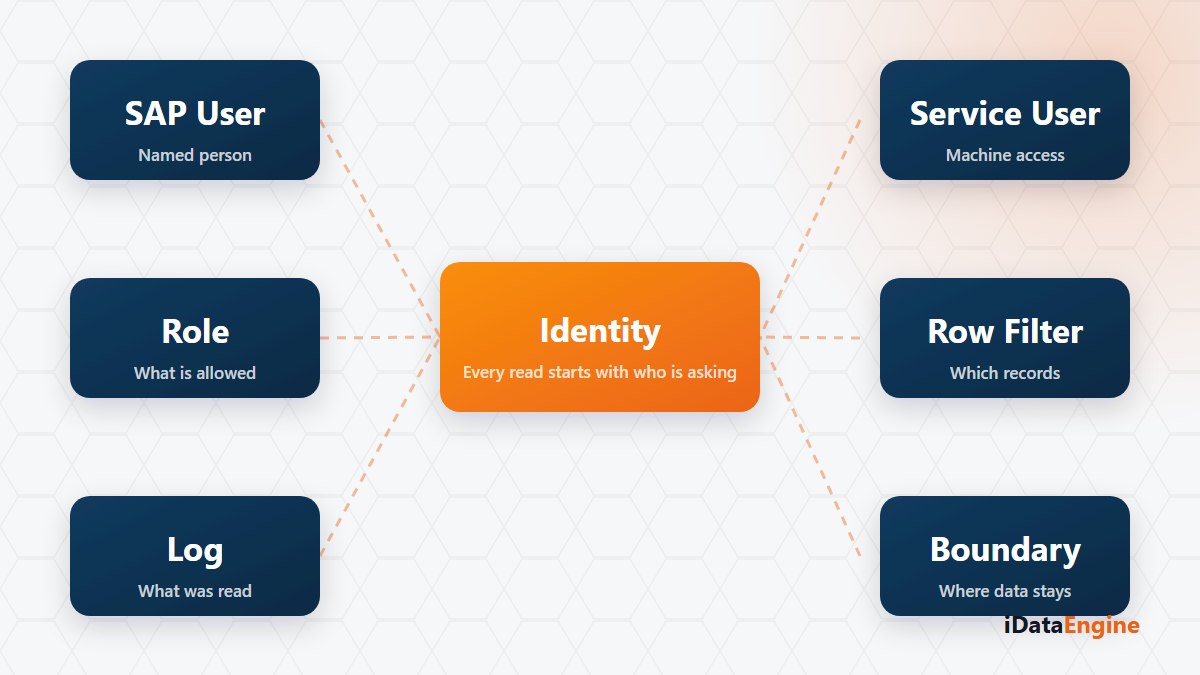
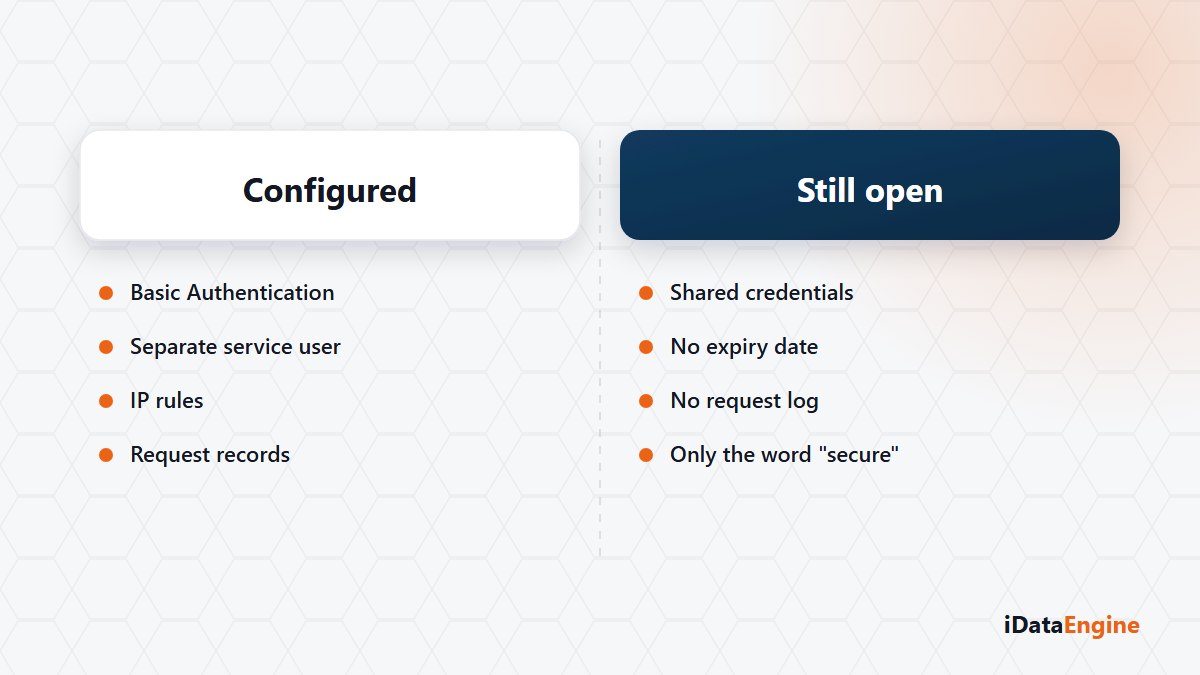
“How is this service protected?” cannot be answered with the word secure. Basic Authentication, the service user, IP rules, request limits and logs each cover a different risk.
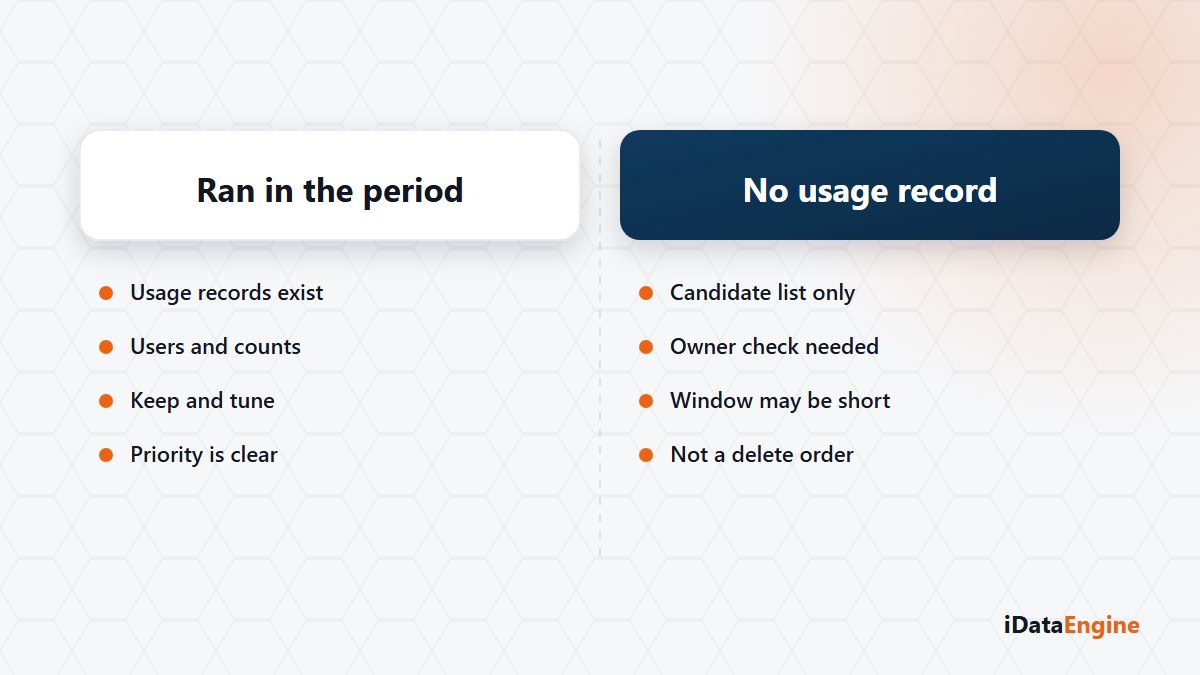
Usage analysis separates out the Z and Y programs with no execution record in the selected period. That is a review list, not a deletion decision, and the difference matters.
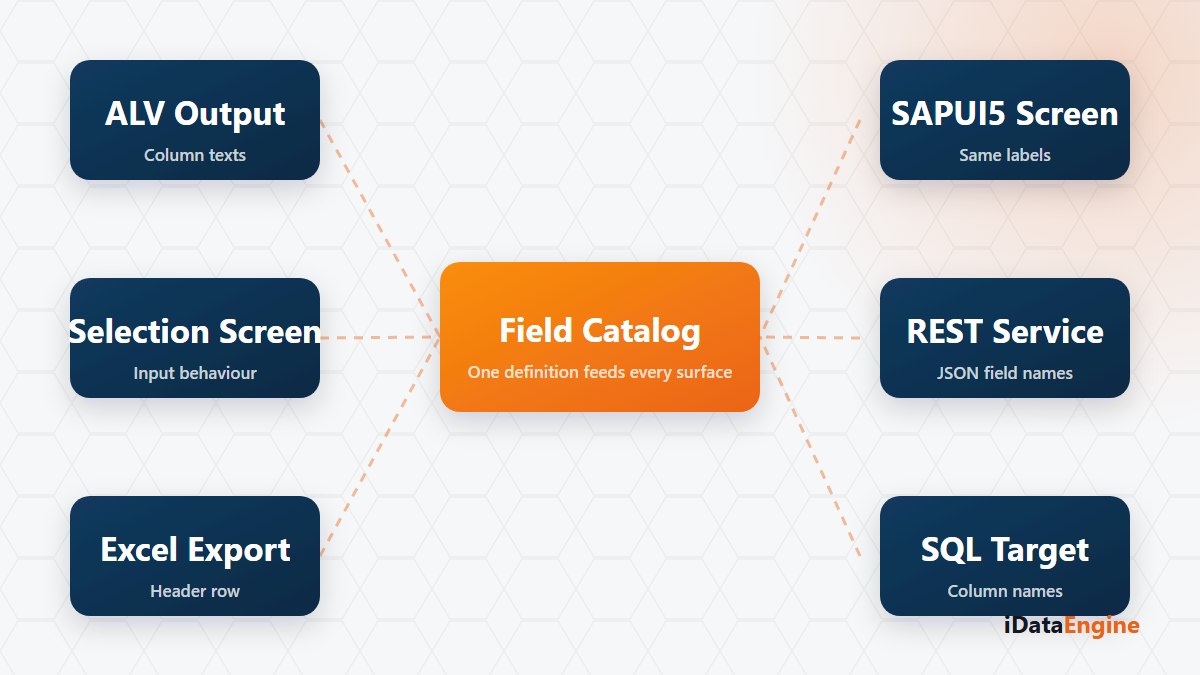
When the same list is approved in a report and argued over in a browser, the interface is rarely the cause. The difference almost always starts in the field definitions.
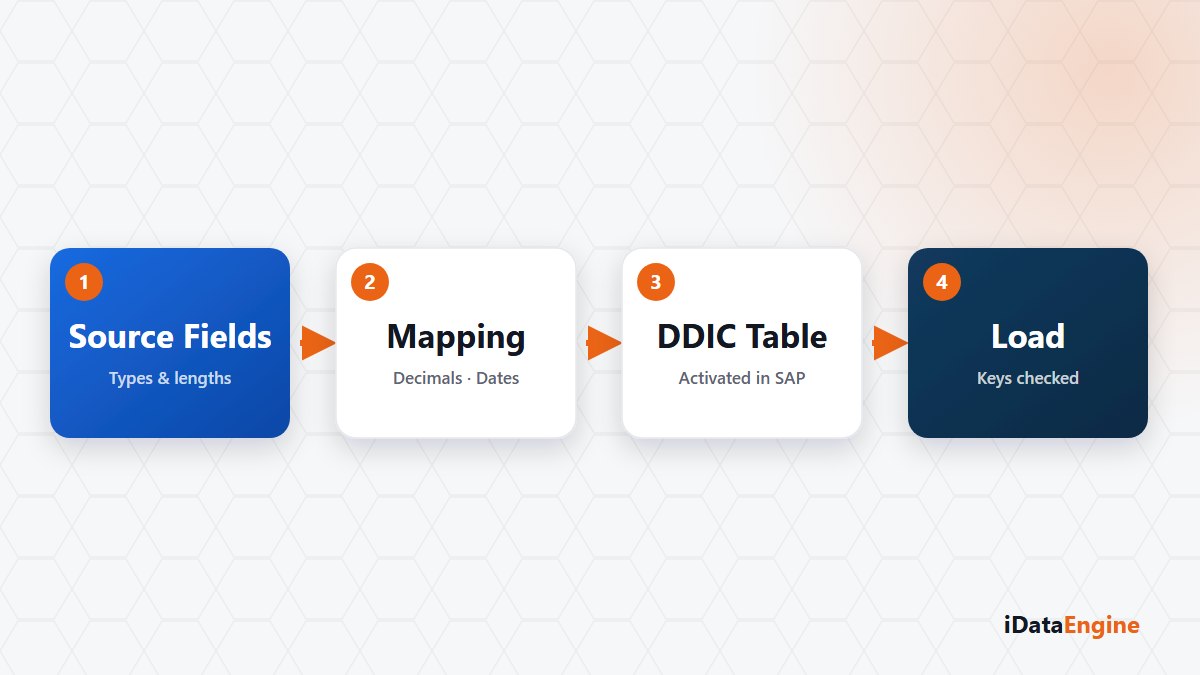
In write-back projects the first real obstacle is not the mapping but the target table. Structure decisions, data elements, activation and a transport request are part of this flow.
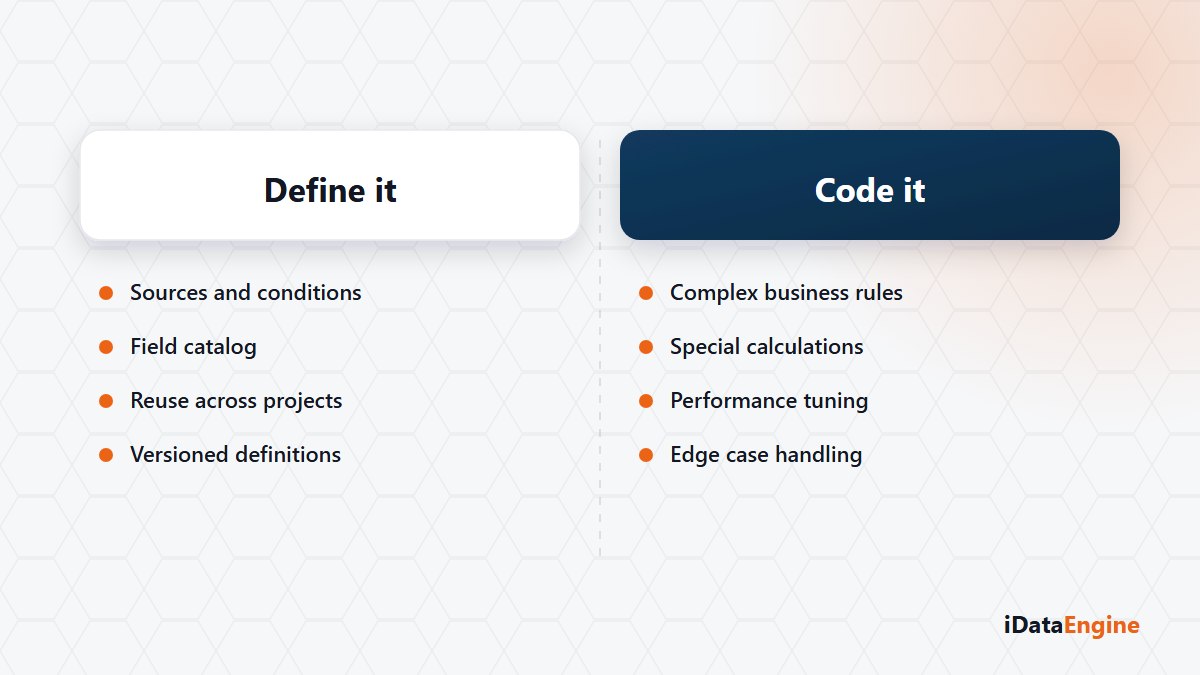
A low-code flow does not end the need for developers; it splits the work. Drawing the boundary at the start of a project beats changing direction in the middle.
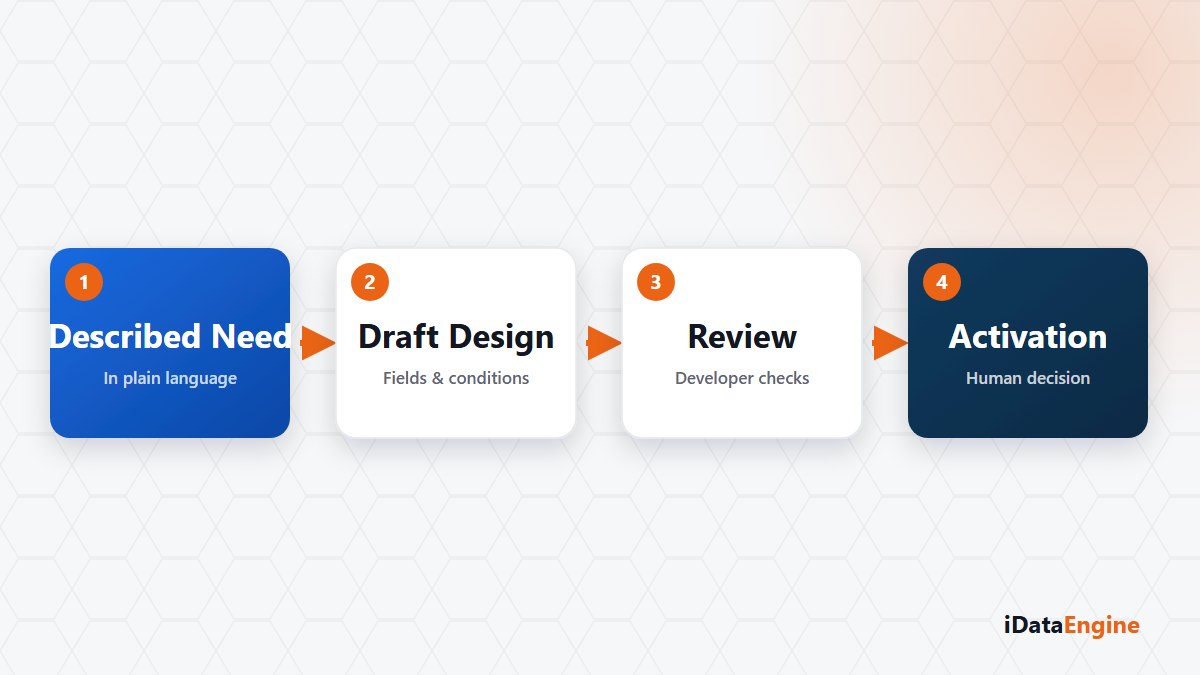
The AI assistant turns a requirement described in natural language into a design draft. Saving, generating ABAP and activating in SAP stay with a person.
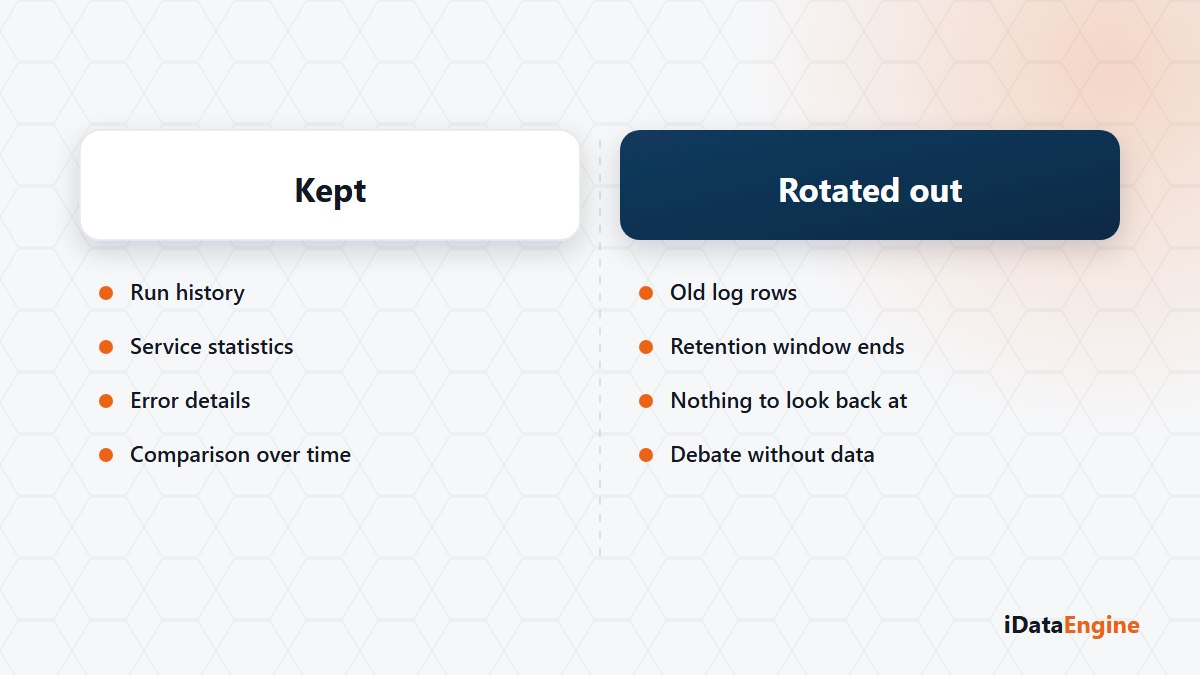
Log retention looks like a technical setting. It is really a choice between an audit question and storage cost, and separating record types makes it easier.
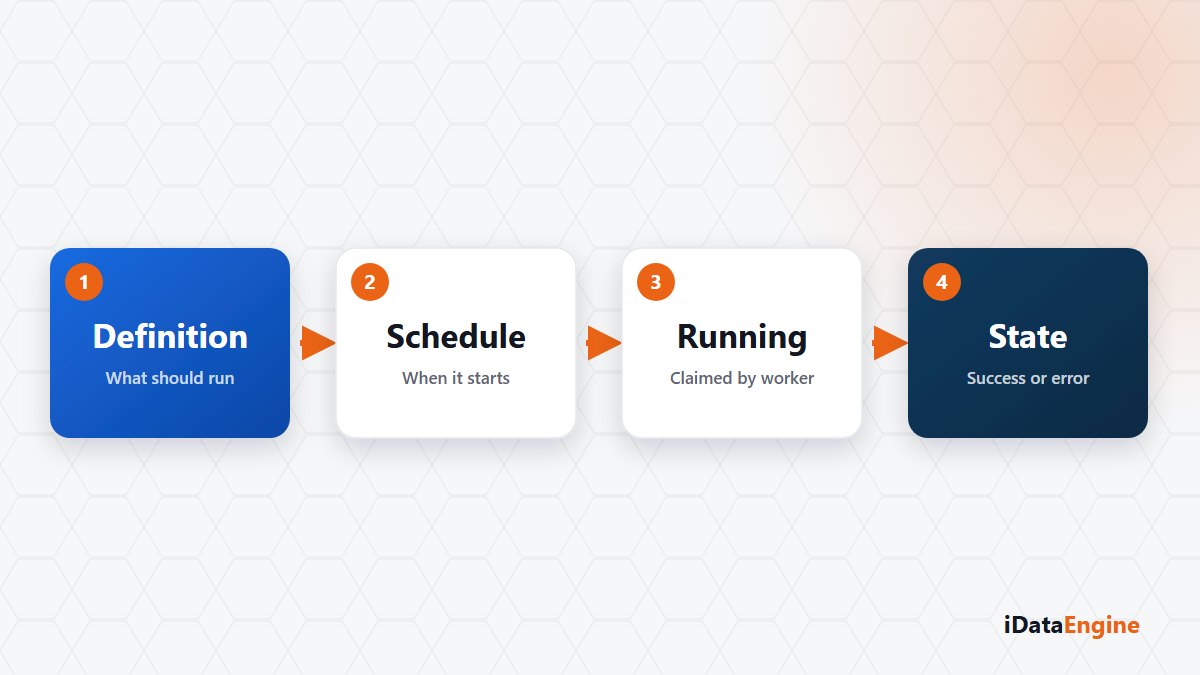
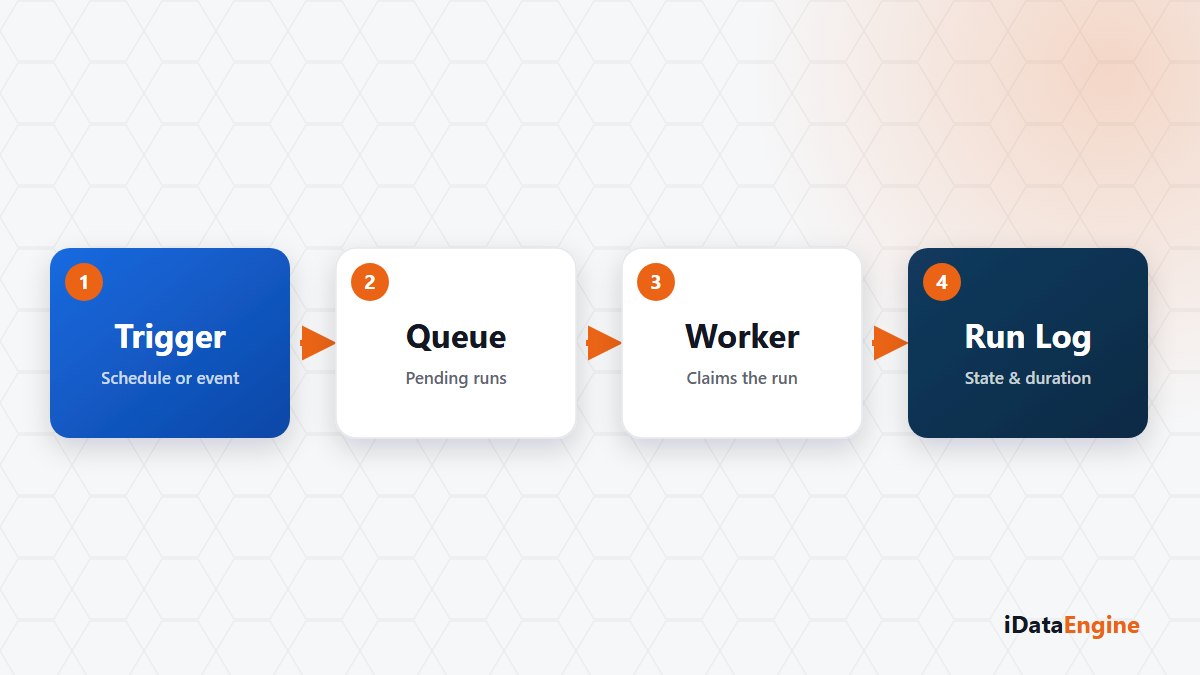
As scheduled work multiplies module by module, “what happened last night?” stops having a single answer. A shared job and event layer brings it back to one record set.
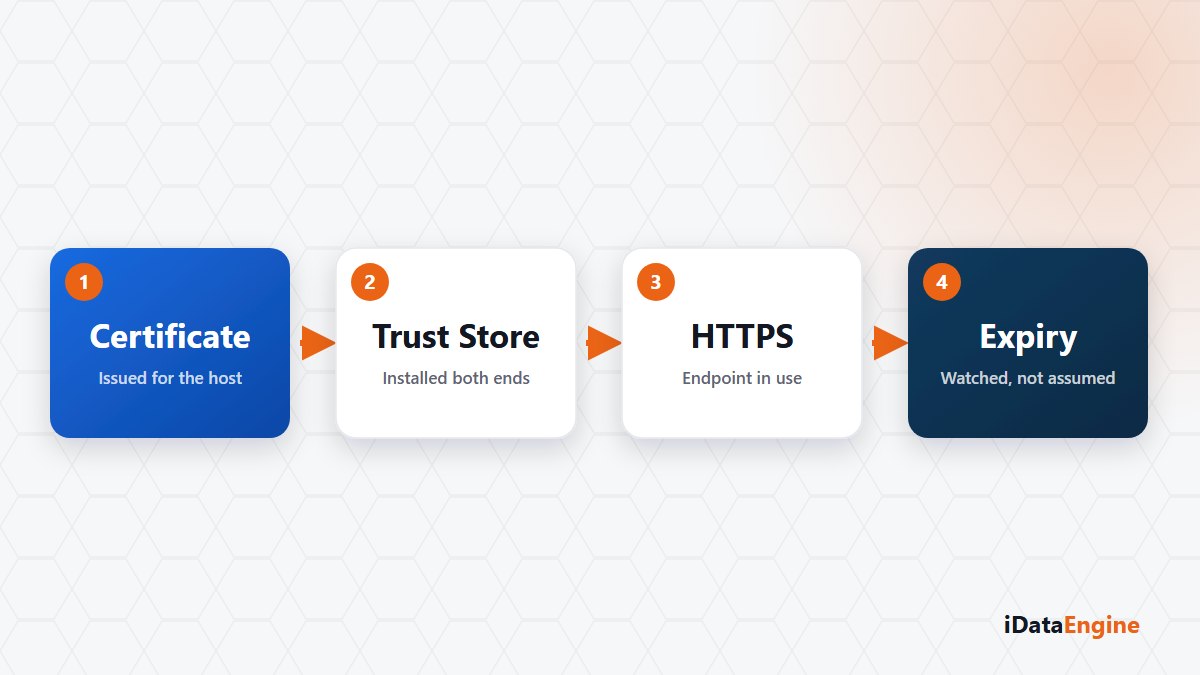
A certificate expiry looks like setup work. As integrations multiply it becomes a maintenance calendar, and a calendar with no owner is on nobody’s agenda.
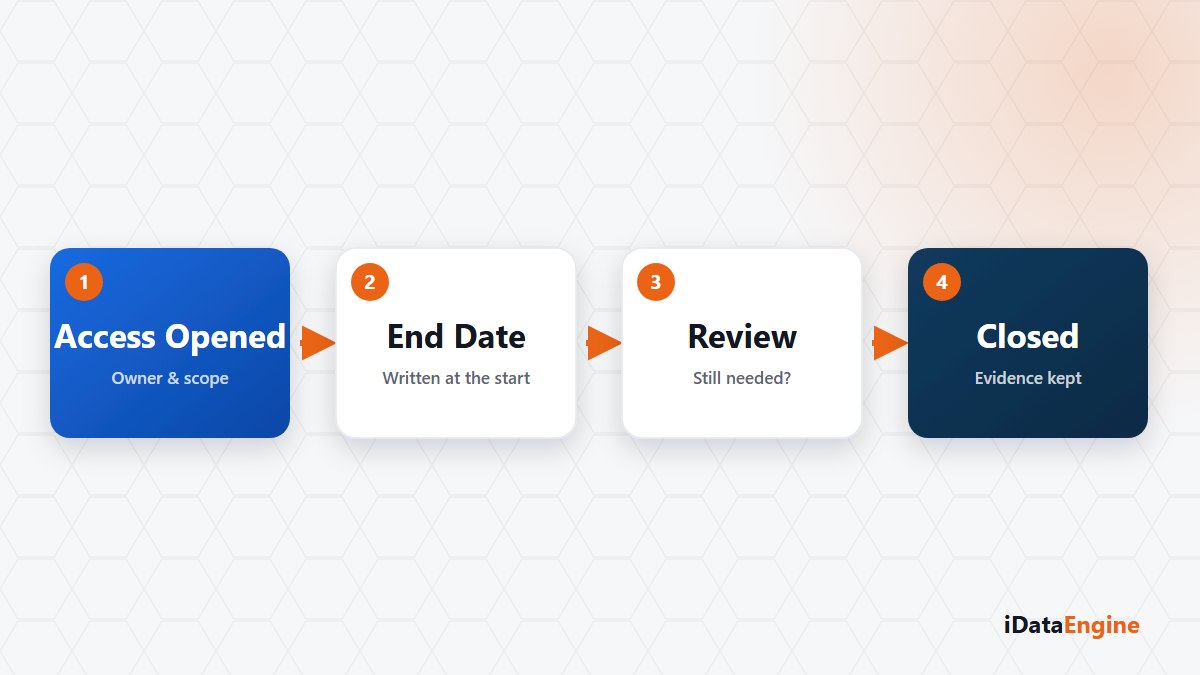
A user, service or share link opened for a project does not close itself when the project ends. If the closing date is not written at the start, it is usually never written.
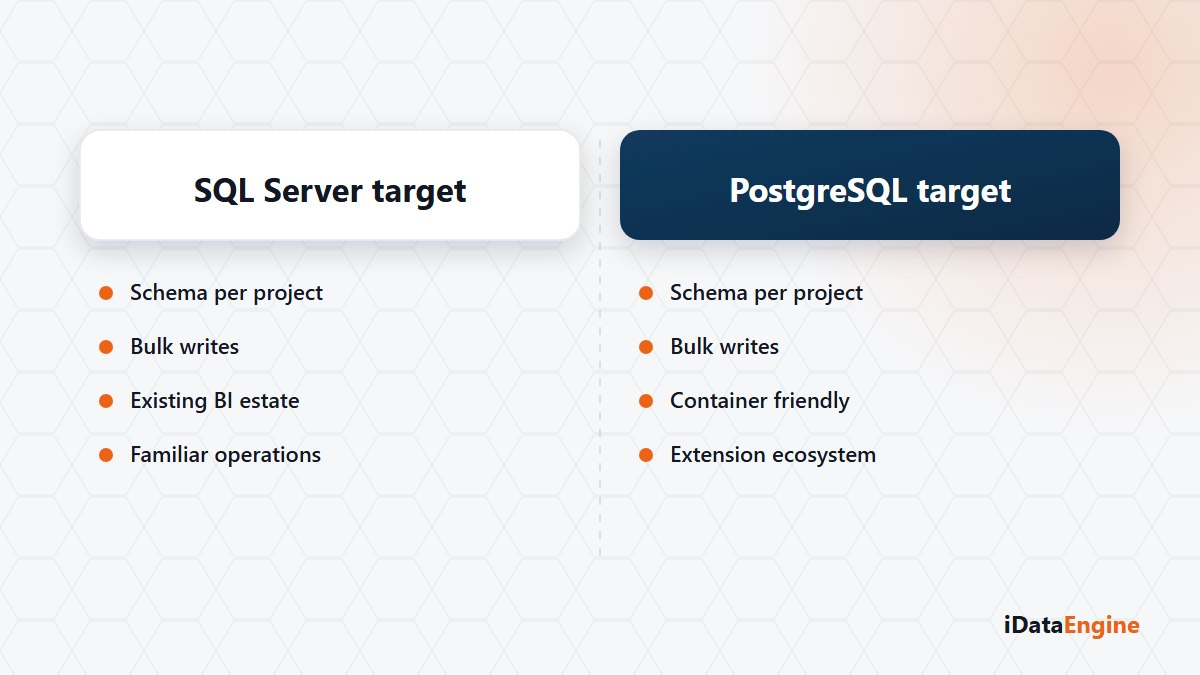
PostgreSQL and Microsoft SQL Server are both supported as targets. The difference is not speed; it shows up in type mapping, key definitions and permissions.
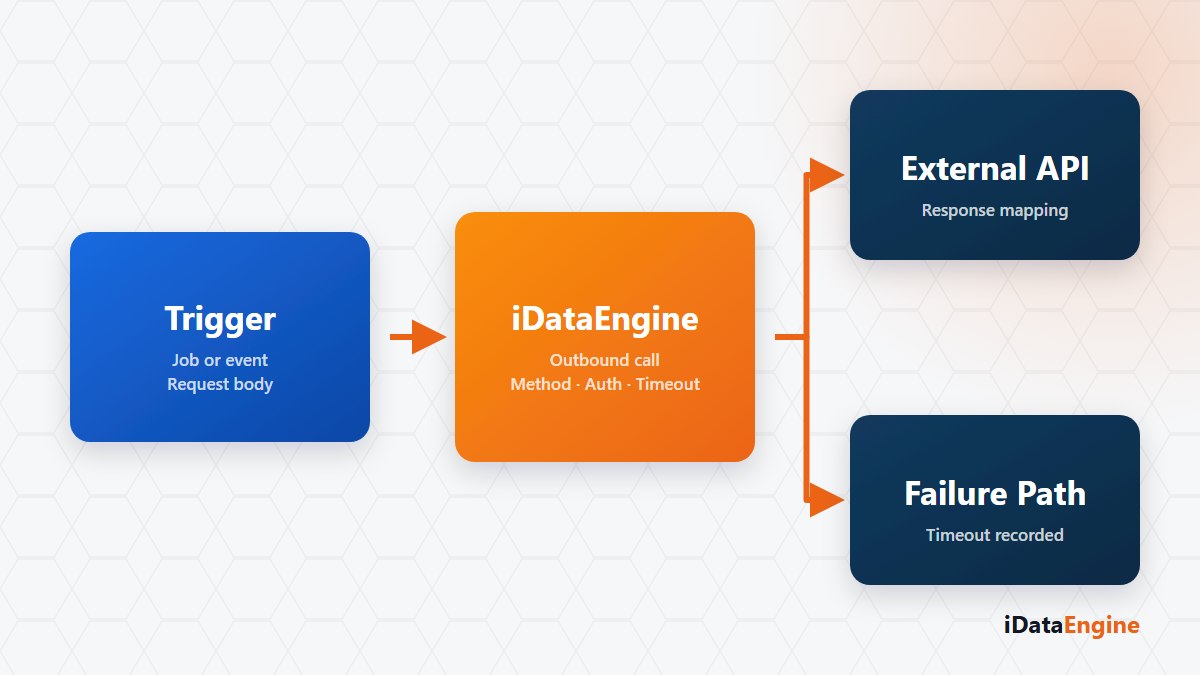
Method, headers, body template, credentials and how the response is read can sit in one definition. Deciding early determines where you look when the contract changes.
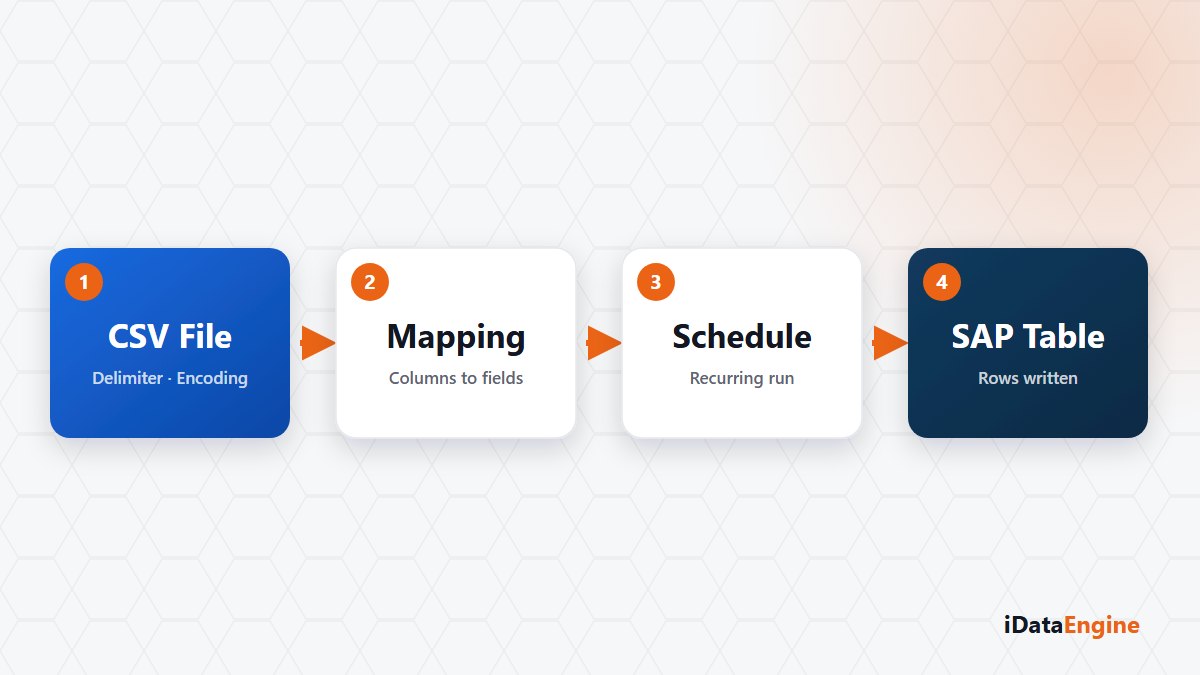
A file upload transfer and a scheduled SQL transfer write to the same target with different triggers. That difference decides how you plan a nightly flow.
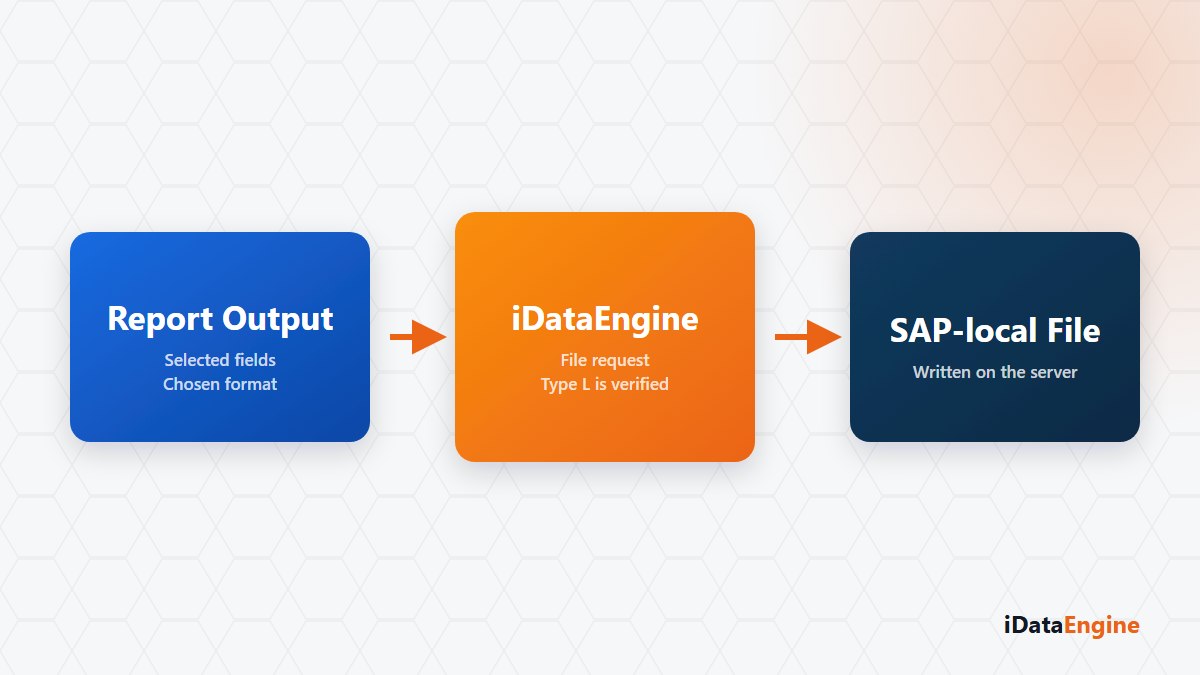
File output requests usually start with a transfer protocol. The verified path is a file written to a directory on the SAP application server, or an email attachment.
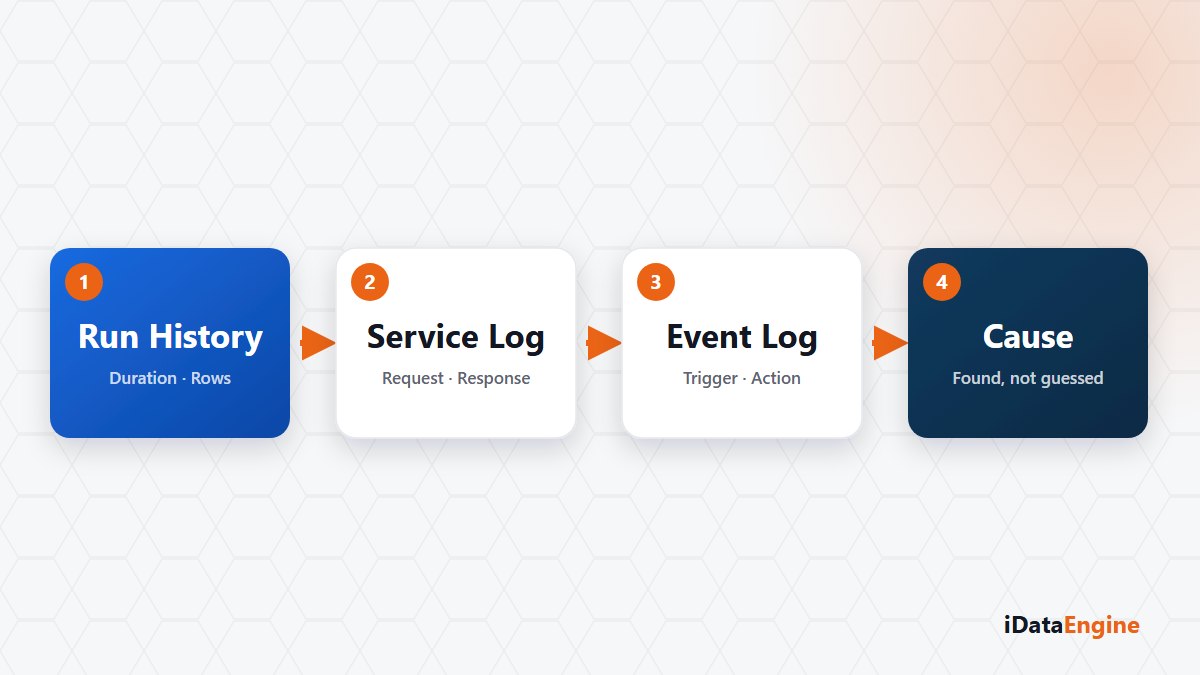
The sentence carries no module name and no error code. Read the run record, the service log and the event log in order, and the search stops being guesswork.
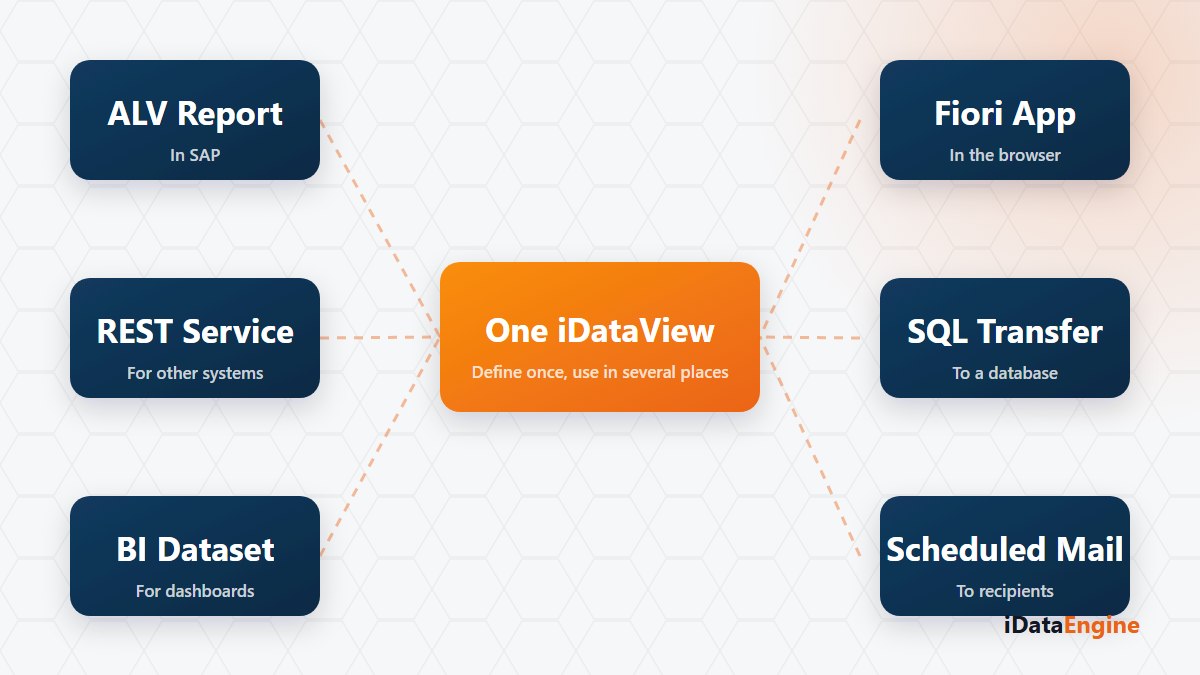
When the same field set, filter and value list are redefined in every project, maintenance load grows quietly. What is missing is not tooling but a shared place and an owner.
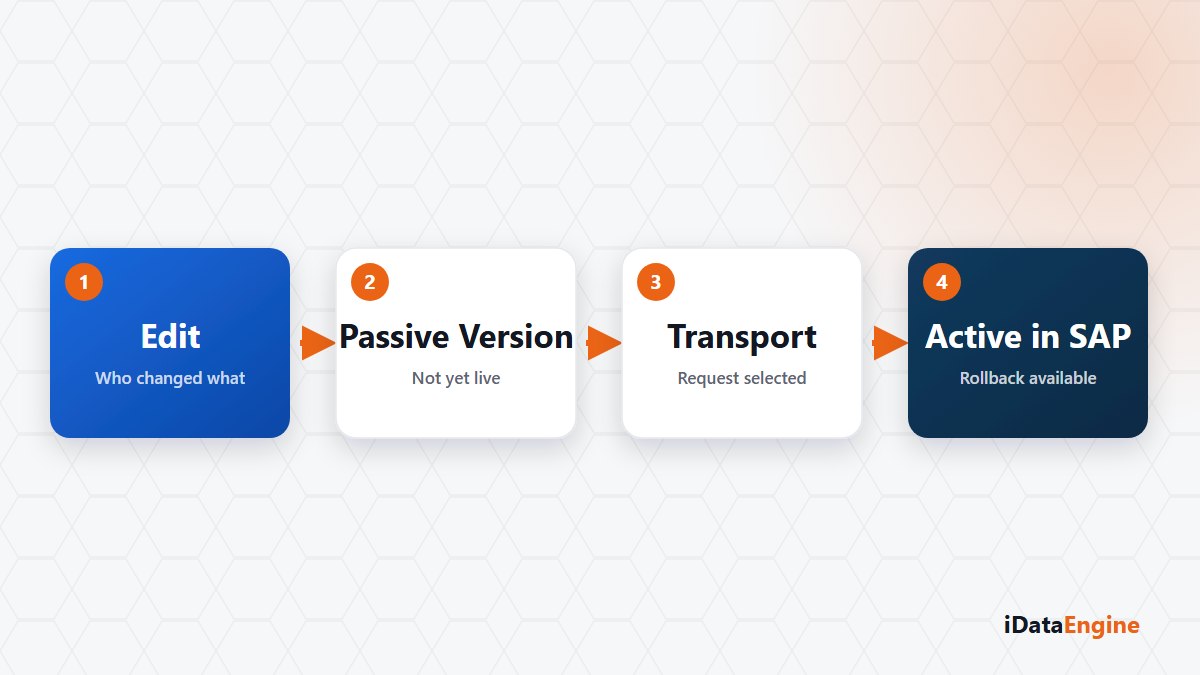
What decides production behaviour is often a definition rather than code. Versions, transport and audit records already exist; the missing piece is the process joining them.